





You’ve heard about different blood types and skin types, but how about gut types?
You know your blood type, your body type and your skin type, unfortunately you may not have any idea about your gut type.
Most people are prone to one of the 7 main gut types—kind of like we are prone to being an endomorph, mesomorph or ectomorph or having oily, normal or dry skin.
The 7 Gut Types
The 7 Gut Types include the following:
- Stressed Gut
- Immune Gut
- Gastric Gut
- Dysbiotic Gut
- Toxic Gut
- Disconnected Gut
- The Healthy Gut
Which one are you?
Type 1: Stressed Gut

Primary Symptoms: Anxiety, Insomnia, Hormone Imbalances, Constipation or Bloating
Personality & Emotional Profile: Type A or High Performing, Easily Anxious, Overthinking Things, Difficulty Sitting Still, Wired & Tired at Night, Plateaus in Workouts, Eating Disorders
Bad Habits: Overdoing the Coffee or Alcohol, Overtraining, Under-sleeping; On the phone or use technology a lot (especially at night); Saying “Yes” to Everything; People-Pleasing
What It Means: If your stress hormones are constantly pumping, blood flow is diverted away from your gut, which impairs the growth of good bacteria and digestive enzyme production. Unlike people with other gut types, individuals with this gut type often have adrenal fatigue, which causes sleep issues, decreased libido, and trouble focusing, among other symptoms.
Feel Good Strategies:
- Foods: Moderate-carb diet; Organic proteins; Organ meats; Eat plenty of healthy fats; Limited/no coffee; Eat meals slowly; Drink at least one quart of pure water for every 50 pounds of body weight; Drink freshly juiced vegetables
- Lifestyle: Exercise regularly (but not too much); Take one to two minutes to breathe before meals; Yoga or regular mindfulness practice an help; Bedtime routine and sleep seven to nine hours/night works well with different gut types; Recess breaks during the day from work tasks
- Supplements: Probiotics, prebiotics, B-complex, liposomal curcumin, digestive enzymes, apple cider vinegar or HCL tablets, extra virgin cod liver oil, zinc (if deficient), vitamin D (if deficient)
- Order Top Recommended Practitioner-Grade Supplements Here
Type 2: Immune Gut

Primary Symptoms: Skin Problems, Autoimmune Conditions, Allergies, Asthma, Catch Colds & Flu’s every year, Low Immunity, Multiple Food Sensitivities, Histamine Intolerance; General Fatigue (despite sleeping)
Personality & Emotional Profile: Detail Oriented, Perfectionistic, Empath, Insecure, Easily Stressed
Bad Habits: Relying on medicines (Flonase, Benadryl, etc.), antibiotics or products to try to suppress symptoms; Not sleeping enough; Don’t recognize stress easily; Dehydrated easily
Feel Good Strategies:
- Foods: Avoid nuts, seeds, eggs, corn, dairy, grains, beans, and histamine foods for 30-90 days; Drink meat/bone broth; Eat a variety of colorful, antioxidant-rich foods; Eat fermented foods; Identify and eliminate all allergens from the diet; Eat homemade broth made from chicken, beef, or fish bones that are slow-cooked; Consider a diet high in lightly cooked, sautéed, or steamed green and brightly-colored, low-starch vegetables; Drink freshly juiced vegetables
- Lifestyle: Address stress (sleep, light, and circadian rhythms; overtraining and sedentary lifestyles; mental overwhelm); Eliminate NSAIDs and steroids where possible; Eat smaller, healthy meals throughout the day, which is best for many different gut types;
- Supplements: Liposomal curcumin, liposomal glutathione, L-glutamine, colostrum or dairy-free source of immunoglobulin, short-chain fatty acids, natural antihistamines, liposomal Vitamin C, core olive leaf, extra virgin cod liver oil, vitamin D (if deficient).
- Order Top Recommended Practitioner-Grade Supplements Here
Type 3: Gastric Gut
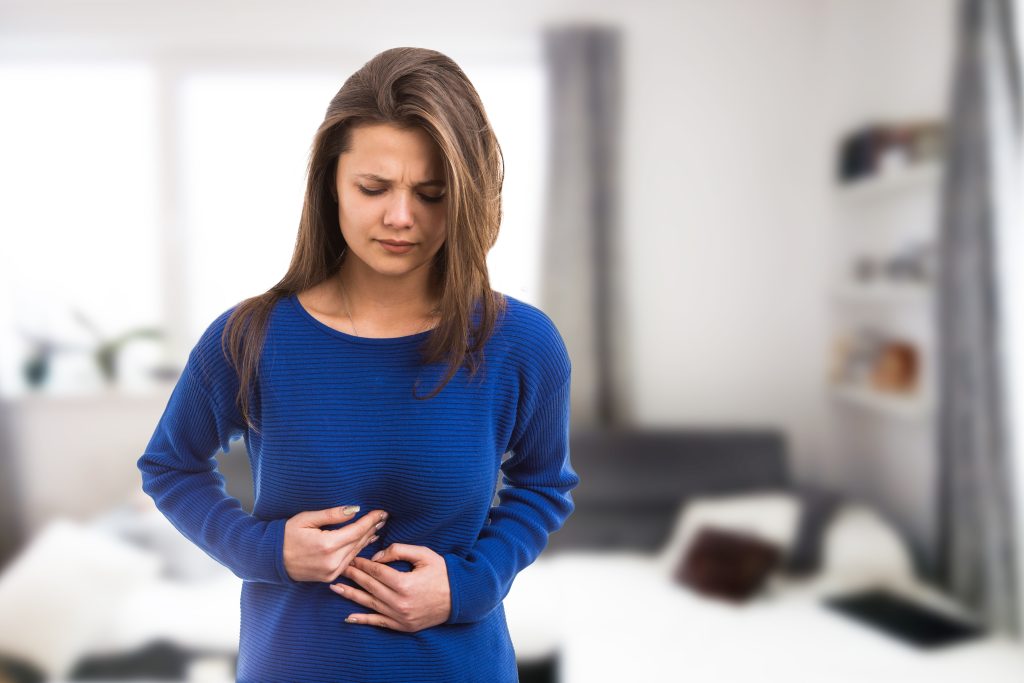
Primary Symptoms: Heartburn/GERD, Indigestion, Sense of Fullness After Meals, Bloating After Meals, Gas, Feel Hungry 1-2 Hours After Eating
Personality & Emotional Profile: Fiery, Passionate, Reactive
Bad Habits: Pop Antacids or TUMS like candy, Inhale Food or Eat Fast; Eat on the Go/Don’t Cook Often; Crave Carbs or Sweets or Coffee, Eat foods that don’t make them feel the best (but keep doing so anyway)
What It Means: Contrary to popular belief, indigestion and GERD or reflux are often signs of low stomach acid, low digestive enzymes and/or carbohydrate malabsorption, often associated with bacterial overgrowth—not high stomach acid.
Feel-Good Strategies:
- Foods: Limit serving size of high-starch foods; Eliminate sugar; Avoid gluten cross-contaminating foods (instant coffee, grains, beans); May benefit from a low-FODMAP diet; Ginger tea; Minced garlic; Use apple cider vinegar as salad dressing or alongside meals; Eat fermented foods; Limit eating out (hydrogenated oils) just like with other gut types
- Lifestyle: Chew food really well; Breathe before meals; Don’t lie down after eating; Follow food-combination rules. It is particularly important to avoid mixing starch and sugar with protein foods. Sugar and starch reduce hydrochloric acid production, while protein requires it. When these foods are combined, undigested protein in the GI tract is putrefies); Eat at least three to four hours before bedtime; The last meal of the day should be lighter.
- Supplements: Digestive enzymes, HCL tablets* or apple cider vinegar shots, probiotics, short-chain fatty acids, L-glutamine or colostrum, zinc and vitamin B complex if deficient, magnesium glycinate;
- *Do not use HCL if currently on a PPI
- Order Top Recommended Practitioner-Grade Supplements Here
Type 4: Dysbiotic Gut

Primary Symptoms: Constipation &/or Bloating, Loose or Hard Stools, Sense of Fullness After Meals, Noticeable Food Intolerances/Sensitivities, Foul or Frequent Gas, Food Cravings (sugar or same foods—low variety); Cruciferous Veggies Hard to Digest
Personality & Emotional Profile: Anxious, Obsessive, Easily Worried, Analytical
Bad Habits: Eating the Same Things, Low Water Intake,
What It Means: Imbalance of gut bacteria or “dysbiosis” (either too much pathogenic bacteria or not enough good bacteria) and/or yeast overgrowth (like Candida)
Feel-Good Strategies:
- Foods: Limit serving size of high-starch foods; Avoid gluten cross-contaminating foods (instant coffee, grains, beans); Possibly low-FODMAP; Ginger tea; Minced garlic; Oregano and fresh herbs; Bone or meat broth; Small amounts of fermented foods (only as tolerated); Limit nuts; Limit eating out (hydrogenated oils); Eliminate sugar, alcohol, caffeine, processed foods, hydrogenated oils
- Lifestyle: Chew food really well; Slow down at meals; Limit alcohol and caffeine; Movement daily—but not overtraining;
- Supplements: Digestive enzymes, HCL tablets or apple cider vinegar shots, probiotics, short- chain fatty acids, antimicrobial herbs, digestive bitters
- Order Top Recommended Practitioner-Grade Supplements Here
Type 5: Toxic Gut

Primary Symptoms: Pain Under Right Rib Cage, Fatty Foods Cause Distress, Fatigue (despite sleeping); Skin Problems (Acne, Dry or Flaky Skin); Brittle Nails or Hair; Lower Bowel Gas Several Hours after Eating
Personality & Emotional Profile: Inpatient, Impulsive, Questioner & Skeptic
Bad Habits: Eating or Craving Processed or Fast Foods; Not Eating Enough Healthy Fats & Fiber; Using toxic cooking, cleaning or hygiene products; Overdoing the coffee or alcohol
Feel-Good Strategies:
- Foods: Celery juice on empty stomach; Organic produce (especially the “Dirty Dozen”); Fermented foods; Prebiotic fibers; Beets; Dark leafy greens;, Dandelion; Bitter herbs; Berries; Organic meats Organ meats; Avoid the usual suspects (packaged/processed foods, soy, grains, caffeine, artificial sweeteners, sugar, dairy); Take bile acids and/or HCL with high-fat meals; Limit eating out (hydrogenated oils); For symptoms of gallbladder “attack,” temporarily avoid all fats; Drink at least one quart of pure water for every 50 pounds of body weight
- Lifestyle: Detox beauty/hygiene and cleaning supplies; Filtered water; Avoid perfumes and artificial fragrances; Check for mold if suspected; Air purifier and/or essential oil diffuser for home; Dry brushing; Rebounding; Move and sweat daily (a very important factor for different gut types); Avoid alcohol and more than 1 cup coffee/day
- Supplements: Digestive enzymes, ox bile/bile acids, HCL tablets or Apple cider vinegar shots, probiotics, prebiotics, and/or short-chain fatty acids, milk thistle, liposomal curcumin, liposomal glutathione, magnesium glycinate
- Order Top Recommended Practitioner-Grade Supplements Here
Type 6: Disconnected Gut

Primary Symptoms: Experience Seemingly Non-Gut Related Health Symptoms (High Cholesterol, Thyroid Imbalances, Brain Fog, Blood Sugar Imbalances, High Blood Pressure, Migraines, Slow Metabolism—Difficulty Losing Weight or Building Muscle, Sweat Easily)
Personality & Emotional Profile: Not always connected to how they feel (physically or emotionally), Stubborn, Independent
Bad Habits: Eating fast, Eating Anything, Sometimes forgetting to take breaks/Relax, Eating sweets or one too many coffees, Skipping meals; Not listening to body
What It Means: Inflammation in the gut can extend to body regions beyond just the gut. Since your gut is responsible for fighting the stress response and inflammation, when inflammation is high inside, it suppresses your body’s ability to fight and can also trigger a release of circulating Lipopolysaccharides (LPS) from gut bacteria into your bloodstream— endotoxins that “switch” for systemic inflammation.
Feel-Good Strategies:
- Foods: Celery juice on empty stomach; Color-rich, nutrient-dense diet; Bone broth; No packaged/processed foods, nightshade spices/vegetables, soy, grains, artificial sweeteners, sugar or dairy; Limit eating out (hydrogenated oils)
- Lifestyle: Slow down to eat; Don’t eat on the go;, Chew your food well; Practice mindfulness with food combining (i.e., avoiding heavy meats with starches, eating fruit separate from complex meals, etc.); Limit alcohol and caffeine
- Supplements: Digestive enzymes, HCL tablets or apple cider vinegar shots, probiotics, prebiotics, and /or short-chain fatty acids, liposomal curcumin
- Order Top Recommended Practitioner-Grade Supplements Here
Type 7: Healthy Gut

I couldn’t leave this one out…A healthy gut IS possible (so let’s keep it that way).
Primary Symptoms: Daily, well-formed bowel movement (1-3 times per day), No bloating or gas after meals, No constipation, Peace with food, Does not need coffee or sugar to function, Rarely sick or rundown, Eating a varied diet
Personality & Emotional Profile: Good energy, Low anxiety, Passionate, Intuitive, Takes life in big bites, Peaceful
Bad Habits: Being a “go-getter” (sometimes over stretching yourself), Occasionally eating something that doesn’t always agree with you (because you feel good most of the time), (Sometimes) you’re disconnected from your body (some people with no “gut symptoms” actually experience other symptoms like high cholesterol or low thyroid and don’t recognize these as being gut related), Over-supplementing, Overly health conscious
What It Means: Generally, you try to listen to your body and try to honor your body
Feel-Good Strategies:
- Foods: Fermented foods; Prebiotic starches and fibers; Organic proteins
- Lifestyle: Keep up healthy lifestyle habits, such as getting enough sleep, eating a variety of foods, slowing down at meals, chewing food well, and keeping a regular breathing/meditation practice or “flow;”
- Supplements: Digestive enzymes as- needed, apple cider vinegar shots as- needed, probiotics from fermented foods
- Order Top Recommended Practitioner-Grade Supplements Here
If you’re looking for personal support especially with gut types, let’s optimize your gut and take your health back into your own hands! Book a complimentary 15-minute Health Strategy Call today and let us help you, especially.