





Picky Eating Is A Big Ordeal
Picky eating is a rite of passage for many kids who’d rather eat ice cream for dinner than meat and veggies. Help them overcome picky eating for life with 3 simple solutions…
Do any of these picky eating conundrums sound familiar?
- “He won’t eat anything but Mac & Cheese, chicken nuggets and Goldfish.”
- “I put vegetables on her plate every night, but she never touches a thing.”
- “I’ve gotten to the point where I will allow my picky eating kids to eat what they want, as long as it’s fortified (like cereal)…at least they are getting SOMETHING in…”
Sensory eating issues and “picky eating kids” go hand in hand.
However, what do you do when “picky eating” goes overboard? As in:
- Your child is starving themselves in the name of only eating Fruit Loops, or their foods not touching at all.
- What do you do when your child has a melt down at the restaurant, or you have to pack her crustless PB & J everywhere you go?
And what do you do when you JUST WANT YOUR CHILD TO EAT…but they’d gladly go hungry if they don’t get their select amount of food?
Answer: There’s 3!
- Heal Your Child’s Gut
- Give Your Child Autonomy
- Introduce New Foods Gradually
3 Tactics to End Picky Eating

Step 1: Heal The Gut
The brain-gut connection is real.
Our gut bacteria dictate our mood, our stress, and how we think, feel, behave, and handle many situations.
And vice versa, our stress levels, mood and anxieties can affect the health of our gut function overall (like “butterflies in your stomach).
Science backs this up.
The gut influences the brain:
90% of our serotonin (feel good brain chemicals) is produced in our gut.
Our gut is home to thousands of neurons (brain cells) that constantly send messages to the brain.
And the gut plays a critical role in our overall state of mind. Since digestion is controlled by the Enteric Nervous System (ENS), this system communicates with every single other nervous system in our body. Gut bacteria directly influence mood, reflexes, stress and anxiety.
And the brain influences the gut:
Studies show even short-term exposure to stress alters the gut microbiota (Foster et al, 2017).
Researchers have also found that, when they experiment with altering gut bacteria in humans, they can create more anxiety, stress and “dysfunction” for the individual (Yang et al, 2019).
So….What do you think happens when your child’s gut bacteria is “off” or their gut is“leaky?”
You guessed it!
Mental health disorders are common—including Autism, Alzheimer’s, dementia, ADHD and sensory processing disorder.
An unhealthy makeup of gut bacteria influences stress-related behaviors, including those relevant to anxiety, fear and depression.
Gut bacteria also affect the structure and function of the brain amygdala—a key stress-related brain region responsible for our emotional learning and social behavior. Altered amygdalar processes are associated with a variety of neuropsychiatric disorders, including autism spectrum, sensory processing, anxiety, mood disorders and…picky eating!
In short: An imbalance of unhealthy gut bacteria that live in your child’s gut contributes to their extreme pickiness and sensory “issues.”
How do gut bacteria become imbalanced in the first place?
Results from clinical studies (Sordillo et al, 2019) show that changes in our healthy bacteria composition are influenced early on—beginning at birth—when delivery through the birth canal exposes the baby to its mother’s vaginal bacteria (healthy or unhealthy). This first entry point greatly determines an individuals’ lifelong microbial “fingerprint.”
Other stressors that may imbalance the gut include:
- Antibiotics
- Lack of breastfeeding
- Birth by C-section
- Vital infections
- Stress
- NSAIDS and prescriptions medications
- Poor food quality and low intake of nutrient dense food
- Poor quality water (tap water, non-filtered)
- Other environmental influences (toxin/chemical exposure to cleaning products, GMOs, hygiene products, plastics, light pollution, technology pollution, etc.)
Such stressors COMBINED with the influence of genetics may result in long-term changes of brain stress and behavior (and picky eating kids) (Foster et al, 2017).
What to do about it?
A first-line of approach for helping enhance your child’s brain health (and his or her ability to “handle” uncomfortable or new foods, and keep an open mind) is to: Boost their gut health.
- Take a 1/2-1 soil based probiotic (mix capsule powder in foods if child is not swallowing right now) + quality lactic acid-bifidobacteria probiotic daily
- Add prebiotic fiber (like this one) to juices or smoothies
- Start mornings or meals off with apple cider vinegar “gut shots” to boost stomach acid for enhanced gut function (1 tbsp. in 2-4 oz. of water with 1-2 tsp. raw honey)
- Sneak in fermented foods if tolerated (grass-fed plain yogurt, kefir, low-sugar kombucha, fermented veggies) in small, medicinal doses
- Encourage your child to “love their gut buggies” with these other “superfoods:”
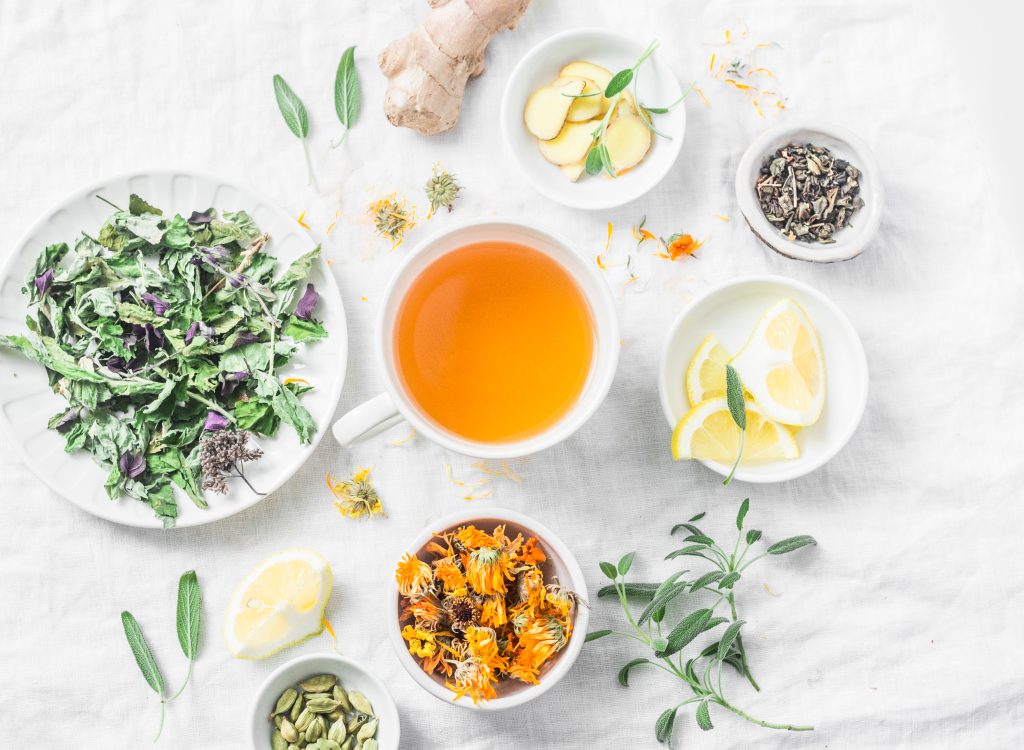
- Herbal Ginger Tea
- Cinnamon
- Turmeric
- Oregano
- Citrus
- Berries
- Lime/Lemon
- Garlic
- Onion
- Ginger
- Cruciferous Veggies
- Greens & Green Juices
- Bone Broths
- Wild-Caught Fatty Fish
- Fermented Foods
- Broth
- Work with a functional medicine practitioner or nutritionist to test their gut microbiome (stool, urine, breath testing) and identify any underlying gut problems to address. Common “gut problems” I find rampant in many of the “picky eating” kids and kids with sensory processing disorders that I work with include:
- SIBO (small intestinal bacterial overgrowth)
- Dysbiosis
- Leaky Gut
- Parasites
When we figure out the root cause together, these “gut issues” are very treatable and remissible via nutrition, supplements and lifestyle changes.
Step 2: Give Them Autonomy
Aside from healing the gut, healing sensory processing disorders (and picky eating) also comes down to independence.
No one likes being told what to do—including your kids—and empowering them to own their decisions and their own health and body can empower them to stop fighting (themselves and you) in the kitchen.
When it comes to foods, give picky eating kids choices:

- Broccoli or zucchini—which sounds better?
- Chicken or ground beef?
- Carrots or sweet potatoes?
Independence Boosters
Some other “independence boosters” include:
- Let your picky eating kids pick out from 2 or 3 healthy recipes you’re thinking of.
- Involve them in grocery list making and meal planning.
- Provide your picky eating kids with options on their plate, but don’t make finishing it all a battle.
- Model yourself eating, enjoying and trying healthy foods—and let them know what they are missing without telling them to eat it.
- Position your picky eating kid as a food scientist or Master Chef, and ask them their opinions about the food before them, or what they think makes it “delicious” or “nutritious” (help them get outside of their own shoes to view food through a different, creative lens).
- Ask the picky eating kids how they would like to eat/prepare a certain food (steamed, pan-fried, roasted, crispy, raw, etc.)—there are dozens of ways to eat the same foods with a completely different spin on picky eating kids.
- Allow the “preferred food” along with a “non preferred” food—for instance, their fav mac and cheese with greens on their plate that typically they would never touch.
- Ask for their opinions. A lot of food aversions in sensory processing disorders happen due to the smells, sights, taste, and textures of certain foods (that either gross them out, or bring them comfort). Help your picky eating kids connect with the feelings they experience with both preferred and non-preferred foods. The more light and exposure you bring to their personal experience, the more they are able to overcome the fears holding these picky eating kids back.
Step 3: Introduce New Foods Gradually
Rome was NOT built in a day, and neither was overcoming food aversions. Practice patience and gradual introduction—sometimes just one food, or “like” food at a time—such as a carrot alongside a string cheese (similar shape), or crunchy apple chip alongside a regular potato chip.
You can even set goals with picky eating kids about ways they think they can expand their diet and help picky eating kids come up with reasons why expanding their diet could be beneficial to their life. They can also come up with key dates and mark goals on a physical calendar.
Help them also put on a new mindset—envisioning a celebrity, cartoon, sports star or their fave singer or YouTube Star. Ask: How do you think they eat? Do these characters live in fear and eat the same things?
Continue to help your picky eating heal their gut, and encourage autonomy (letting them own the process), and above all, let it be a process.
16 Hacks to Help Your Kids Eat Healthier

Even if your child is not an “extreme” picky eating kids, chances are you’ve had a “disagreement” (or 2 or 3) over what to eat—especially if the food happens to be green!
If that’s the case for you, never fear! Check out these 16 Hacks to Help ANY Kid Eat Healthier…
Hack #1: Take Baby Steps.
The “cold turkey” approach to eating more real foods is not the optimal way to make changes in your family’s nutrition. A sudden switch from the regular frozen pizza and daily Cinnamon Toast Crunch to chicken and broccoli and veggie omelets is unlikely to go over well with picky eating kids. Instead, ease the kids into their new eating patterns. A couple ideas:
- Cut out gluten at one meal, or even just one gluten-containing food (such as adding eggs and bacon for breakfast over Coco Puffs).
- Gradually replace ‘kid-food’ snacks with real food, such as:
- Processed string cheese—>Full-fat, grass-fed cheese
- Jiffy peanut butter—> Natural Almond Butter
- Goldfish and Graham Crackers —> Plantain chips, Simple Mills Cheddar Crackers, Jackson’s Honest sweet potato chips
- Fruit Snacks —>Real fruit or natural (no sugar-added) fruit leather
- Granola bars—> Bulletproof Collagen Bars, Primal Kitchen Bars, Homemade Energy Bars (with nut butter or coconut butter base), or Paleonola (or other grain-free granola)
Hack #2: Run Out of Stuff…
And just don’t buy it again. Don’t take the kids to the store if that’s problematic during the transitionary period. If your kids ask for Capn’ Crunch, tell them you ran out and all you have is eggs. They will eventually stop asking.
Hack #3: Ask.
Who doesn’t like autonomy? Bring the kids in on the fun and healthy lifestyle changes you are making together. Instead of telling them what to eat…ask what healthy foods they want to eat or try. Ask your picky eating kids their opinions too about what they think their body needs to be happy, healthy and strong. The more they feel like they have a say (if they are old enough of course), the more they will “buy in” to the process.
- Set goals as a family for healthy eating
- Make the grocery list with them
- Give your picky eating kids a choice between two healthy dishes you prepare
- Recruit helping hands in the kitchen
- Give them choices for the healthy foods in their lunchboxes
Hack #4: Teach Them.

You are the primary role model and educator in your child’s life when it comes to nutrition. Lead by example. Nourish your body with real, whole foods. Your kids will notice. Also, don’t be afraid to explain to your picky eating kids why we need certain foods. It may seem like your lessons fall on deaf ears, but kids are like sponges.
For example:
- “Spinach is a SUPER FOOD that makes our bones strong and fights colds off.”
- “Protein helps keep us fuller between meals and builds strong muscles.”
- “Avocados and coconut oil are healthy fats that make us think SMARTER.”
- “Sugar makes us tired and crabby.”
Need more education? Your Family Fuel Daily Program Guide includes 28 nutrition tips along the way.
Hack #5: Have Fun with It
Healthy eating doesn’t have to be boring. Bring fun to the mix
- Make a game or contest out of it. Set goals together, or make a star chart for each family member to start the number of fruits and veggies they get each day.
- Play pretend restaurants. Let the kids be the waiters and take orders based on a couple healthy options you’ve made.
- Play dress-up. Let the kids put on a chef hat and help you as the “chef”, or a lab coat and help you as a “food scientist”.
Hack #6: Turn on the Tube.
Kids love TV. Watch a documentary together about food (great for older kids) and then lead a discussion around their thoughts and what they learned. Check out:
Reading books are also great at bedtime:
- Why Should I Eat Well? By Claire Llewelly
- How Did That Get In My Lunchbox?: The Story of Food by Chris Butterworth
- The Seven Silly Eaters by Mary Ann Hoberman
- Green Eggs & Ham by Dr. Seuss
Hack #7: Make it Presentable.
Kids love cute and fun things. Make new healthy foods enjoyable with the presentation:
- Broccoli is just boring broccoli, unless it becomes ‘trees in the forest’, (perhaps sprinkled with some walnuts around them and drizzled with a little olive oil—nuts fell from the trees?).
- Bell-peppers or tomatoes become ‘boats’ for chicken or tuna salad.
- Cut shapes in deli meats with cookie cutters.
- Sprinkle ‘ants’ (raisins) celery sticks spread with almond butter.
Hack #8: Flavor Water.
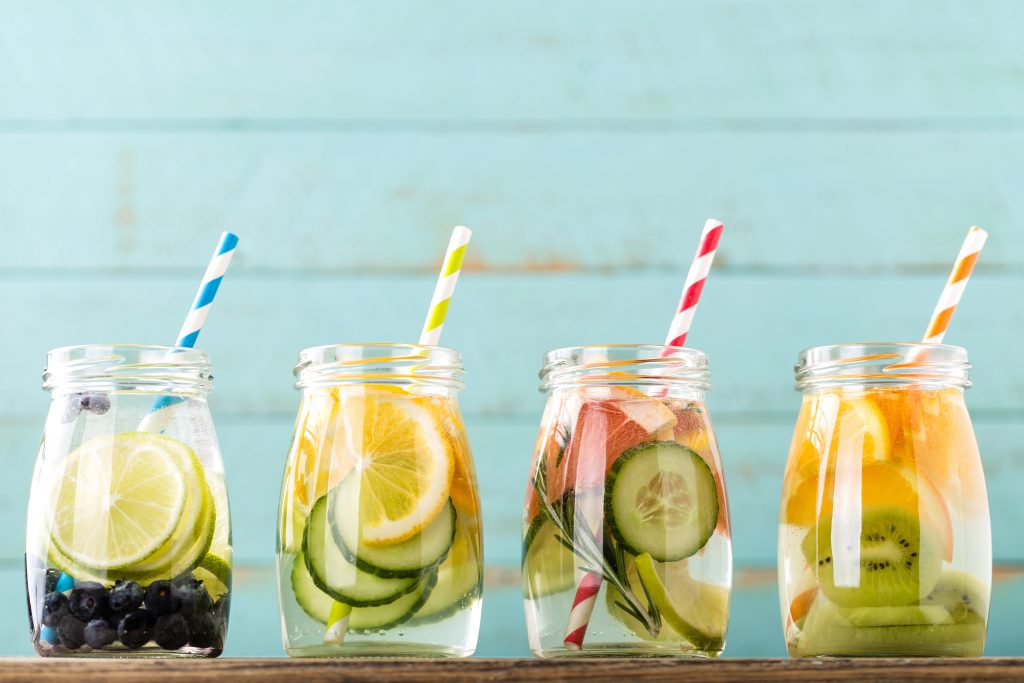
Even if you get bored with water. Spritz water with citrus or other fruits, such as oranges, grapefruit, kiwi, strawberries, etc. Coconut water (no added sugar) is also another great option. Avoid artificial sweeteners, sugary juice boxes, sports drinks, flavored fruit waters, juices and sodas.
Bonus: Try this homemade electrolyte drink:
Ingredients:
- 4 cups of liquid base (choose: green tea, herbal teas, coconut water, plain water, etc.)
- ¼ tsp. sea salt
- 1 teaspoon Natural Calm (magnesium drink)
- 1 Tbsp sweetener (optional)- can use honey, stevia, etc.
Directions:
- Brew tea if using or slightly warm base liquid
- Add sea salt and calcium magnesium to mix.
- Add juice and sweetener if using and mix or shake well.
- Cool and store in fridge for up to 4 days
Hack #9 Give Your Recipes a Makeover.
For practically every single food your kid likes, there IS a healthier substitute that tastes even better (especially when your own hands make it). Google can become your best friend here to find recipes and substitutions for anything! Also check out the Family Fuel Cookbook for cleaned up versions of kid faves, from mac and cheese to Chic Fil A inspiration.
Hack #10: Don’t Stress.
The more you stress over what they eat, the more your kids sense it. But if you don’t make new foods a big deal, chances are your kids won’t make it as big of a deal either. Your kids will eat. Don’t turn meal time into a control issue. (Nor cater to their fast food taste buds either).
Bonus: By removing the gut irritants like grains, dairy, and sugar, your child is ALSO going to be less stressed and think clearer.
Hack #11: No “Good” or “Bad” Foods.
Instead of labeling foods with morals (“good” or “bad”), ask your kids what they think the “better choice” is for their body. Speak about foods in terms of how they make us feel and impact our health, such as: “hulk green juice,” “brain boosting (grass-fed) burgers,” “true beauty butter” (healthy fats make your skin soft), and “kick-butt soccer power orange.”
If your child is into superheroes, princesses, movie characters or Disney stars, use their celebrity and cartoon idols as role models: “What do you think Superman would eat for more power?!” Or, “How do you think Selena Gomez has energy to perform on stage, or keep her skin clear?” Healthy foods are part of that equation!
Hack #12: Try Multiple Variations
Don’t give up if they turn up their noses after the first try. It can take up to 17 times of food exposure before our taste buds change. Prepare multiple variations of healthy staples. For instance: sweet potatoes become fries, mash, hash, or “buns.”
Beef can be served as a roast, meatballs, spaghetti squash, tacos. Broccoli is delicious with nutritional yeast or additive-free (paleo) Ranch. Butternut squash, acorn squash and zucchini squash all taste differently. Dip plantain chips in guacamole, throw some avocado on a breakfast sandwich with eggs, bacon and a coconut flour biscuit, or cook your veggies with avocado oil . Give your picky eating kids some options within the exposures you create, and they will feel like they at least get more say and choice in trying new things.
Hack #13: Rewire their Brain & Gut
Ironically, we often CRAVE foods that we are intolerant too. These foods (like sugar and processed foods) often feed the unhealthy bacteria in our guts. In addition, the chemicals and additives in many “kid-friendly” foods warp their little brains to think they like foods. The more they steer clear of fake foods, the more their brains and bodies will begin to re-wire to crave and like real foods. Tell your picky eating kids that you are growing healthy gut bugs together.
Hack #14: Speak “Kid”
Speak to your kids on “eye level.” Kids “get” stories, examples and pictures—more than they do just being talked at or told what to do or what is “healthy.” Kids also want to know why, more than what. (“But why?!”). When explaining why green veggies do a body good, paint the picture of a pouring gasoline on a plant. Ask your picky eating kids this: “What happens?” It wilts! Or, cutting into a helium balloon. “What happens?” It deflates! Or Superman’s kryptonite. “What happens?” He gets weak! Same thing happens to our bodies when we miss out on essentials.
Hack #15: Upgrade
Real food doesn’t mean bland chicken and broccoli. Add butter, ghee, Ranch, ketchup or avocado to anything and it’s a whole new ball game.
Simple Seasonings & Add-ons
Use spice, healthy fats and seasonings to spice up your basics, such as:
- Dijon mustard
- Coconut Aminos (soy sauce substitute)
- Ghee & Grass-fed Butter
- Coconut Butter
- Paleo Mayo
- Balsamic Vinegar
- Coconut Vinegar
- Apple Cider Vinegar
- Sea Salt
- Pepper
- Fresh Herbs & Dried Herbs
- Nutritional Yeast
- Cinnamon
- Paleo Salad Dressings (like Primal Kitchen, Tessemae’s)
- Unsweetened Ketchup
- Homemade Taco Seasoning: Turmeric, Oregano, Garlic, Sea Salt, Onion Powder
- Lemon, Garlic & Onion
- Grass-fed Greek Yogurt (add dill for dip)
- Homemade BBQ Sauce (paleo friendly or unsweetened, no artificial sugar)
- Fruits (pan fried with meats or serves like salsa topping: Apples, Plantains, Pear, Grapefruit, Oranges, Strawberries)
- Grass-fed Cheese
Hack #16: Practice 80/20
Above all, remember, NO perfection.
Do your best to fuel your kids’ real food in the house and encourage your picky eating kids to think about how food makes them feel, as opposed to what they “should” and “shouldn’t” eat. Let the “20%” foods happen at the birthday parties, holiday traditions and Friday night pizza night.
Chances are, your kids will begin to notice how they feel when they eat these foreign foods and actually begin to like the real deal.
Interested in enhancing your child or family’s health and helping your picky eating kids heal their body and relationship with food? Book a health strategy call to find out how to begin taking your health into your own hands.
About Dr. Lauryn:
Dr. Lauryn is a doctor of occupational therapy, nutritionist and functional medicine practitioner with over 20 years of clinical and personal experience in health and wellness. She is passionate about using holistic medicine solutions and empowering individuals to reinvent the way their body looks, moves and feels (no crazy juice cleanses, prescriptions or non-sustainable diets included).
She works with individuals and families around the world via tele-medicine and provides clinical lab testing, meal planning and customized nutrition, therapy and lifestyle programs.