





“Gut health” is a buzzword, but what does it really mean?
In this article, I’ll help you understand:
- Why Your Gut Health Matters
- An Unhealthy Gut=Disease
- 40 Common Signs of an Unhealthy Gut
- The Stats: Who Gets “Gut Issues?”
- How Ideal Digestion Should Work
- The Top 10 Gut Conditions You May Have
- Why “Bad Gut Health” Happens
- Assessment: Do You Have a “Healthy Gut”?
- 3 Essentials to Heal Your Gut
Why Your Gut Health Matters

Your gut is the gateway to your health!
Your gut microbiome is home to over 40 trillion gut bacteria.
You have MORE bacteria than the cells in your body and 150 times the amount of genes in your gut bacteria as cell genes. And your gut bacteria are NOT just in your stomach or intestines—they are in your skin, liver, endocrine organs, mouth, heart, brain, all of you.
Translation: You are MORE gut bacteria than human.
Your gut bacteria are the foundation for keeping your body working in tip top shape and they serve 2 primary roles:
- Gut bacteria help you metabolize the nutrients you eat
- Gut bacteria filter out toxins you come in to contact with throughout your lifetime.
If your gut foundation is healthy, strong and stable, then your body and health works properly (you are healthy).
However, if your gut foundation is unhealthy, then things don’t work quite as well. Like a house built on sand, the foundation is “shaky” and you are more likely to get unhealthy.
An “Unhealthy Gut” = Disease

Currently, 1 in 2 Americans have a lifestyle and gut-health induced chronic condition—from autoimmune disease, to anxiety and depression, thyroid disorders, eating disorders, IBS, acne and more.
Often times, many of these people are also NOT told why they have the disease, (beyond it being “genetic” or maybe “something that happens when you get older”).
However, ALL health imbalances, symptoms and diseases are driven by an underlying root cause—a “pathology”. I repeat: ALL health imbalances, symptoms and diseases are driven by an underlying root cause
As research on the gut microbiome continues to evolve, we are discovering that a vast majority of chronic conditions stem from a pathology (root cause) in your gut microbiome— imbalanced gut bacteria, digestive dysfunction or pathogens inside.
Unfortunately, the “root cause” (bad gut health) behind numerous modern-day epidemics often goes un- or mis-diagnosed for 3 primary reasons:
- Heavy Focus on the Symptoms of Disease (Not the Root Cause). Our healthcare system is trained to focus on addressing symptoms of disease rather than the root causes.
- “Bad Gut Health” is NOT Always Felt in Your Gut. Not everyone experiences overt or obvious gut-related symptoms.
- We Think Bloating, Constipation & IBS Are “Normal.” In people who do experience “gut symptoms” like bloating, constipation, gas and indigestion, have lived with those symptoms for so long, they accept them as their “norm.”
40 Common Signs of an “Unhealthy Gut”

- ADD/ADHD
- Allergies (seasonal and food)
- Alzheimer’s disease
- Anorexia
- Anxiety or depression
- Autism
- Autoimmune disease
- Brain fog
- Candida
- Cancer
- Chronic fatigue
- Colds and flu
- Diarrhea
- Diabetes and blood sugar imbalance
- Fibromyalgia
- Gallbladder attacks
- Gout
- Headaches
- Heartburn (GERD)
- High cholesterol and heart disease
- Histamine intolerance & food intolerances
- Hormone imbalance (PMS, PCOS, infertility, amenorrhea)
- Irritable bowel
- Infertility
- Insomnia
- Joint pain
- Loose watery stools
- Malabsorption/nutrient deficiency
- Mood swings
- Muscle pain
- Obesity
- Osteoporosis and osteopenia
- Rheumatoid arthritis
- Small intestinal bacterial overgrowth (SIBO)
- Skin problems (acne, eczema, rosacea)
- Stuffy nose
- Thyroid disease
- Unintended weight gain or loss
- Urinary tract infections
- Yeast infections
The Stats: Who Gets “Gut Issues”?
Gut problems, like the ones listed above, are epidemic in modern day. Again, 1 in 2 people have a chronic disease in our country—many of which are related to an underlying gut imbalance.
Additionally, if you experience overt “gut issues” (like bloating, gas or constipation), you are not alone. They are very common.
Gut Problem Stats
- 15% of people (more than 1 in 10) have irritable bowel syndrome IBS and
- 1 in 5 experience daily constipation (1, 2)
- 1 in 5 people have GERD symptoms regularly (3, 4)1 in 3 feel bloated daily (5)
However, although “gut problems” and disease are common in modern day, it does not mean they are normal. Repeat: just because something is common does not make it normal.
Just like eating Big Macs and drinking 2 to 3 cups of coffee every day is common in our society (but does not mean it’s normal); having “gut problems” may be common in our society, but they don’t have to be normal either.
How Ideal Digestion Should Work
So if having “gut problems” is not normal, what “should” be normal? Here’s an overview of what a “healthy gut” should look like and how ideal digestion should work including:
- The Top 3 Functions of Your Gut
- Anatomy & Physiology of Digestion
- Gut Bacteria, Yeasts & Organisms in Your Belly
The Top 3 Functions of Your Gut
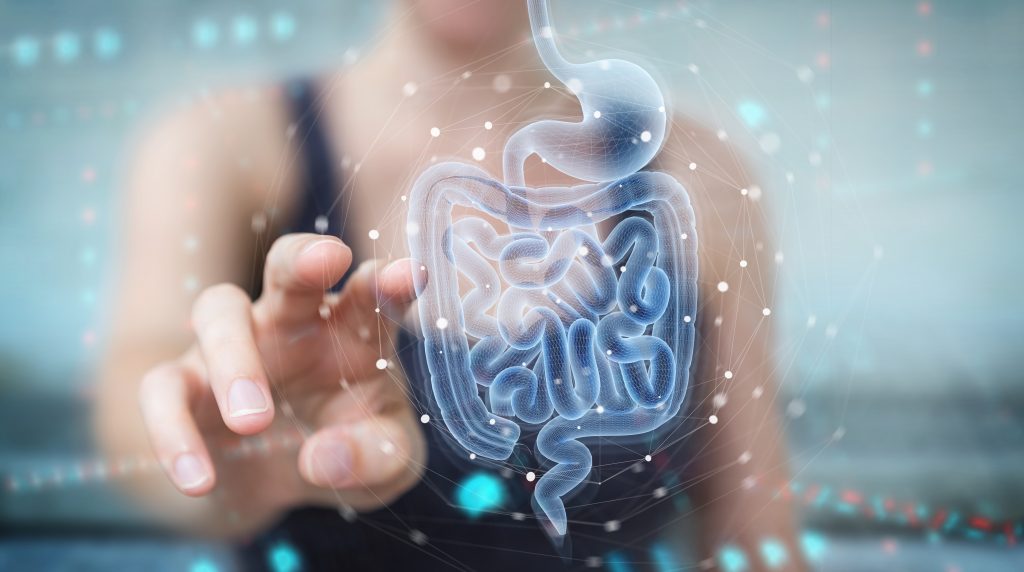
Your gut has three primary functions. It:
1.) Breaks down the food you eat into nutrients, which are then absorbed to provide us with energy and nourishment for life, growth and repair
2.) Serves as a “gatekeeper” that keeps “foreign invaders” out of the bloodstream (antigens, toxins, chemicals, infections, viruses, undigested food particles, etc.)
3.) Houses our gut bacteria, which are the primary communicators for every life process
To do these jobs effectively, we want our digestive anatomy and physiology in “tip top shape.”
Anatomy & Physiology of Digestion
Your gut or “GI tract” is a hollow tube starting with the thoughts in your brain and planning of food and ending with the anus.
It consists of your:
- Brain
- Mouth
- Pharynx (throat)
- Esophagus (tube down to your stomach)
- Stomach
- Small Intestine
- All your accessory organs that assist the GI tract, like the salivary glands, liver, gallbladder and pancreas
- Large Intestine (colon)
- Anus
- Gut Bacteria
The entire GI tract is divided into 4 layers—with epithelial cells, tissues, blood vessels, fat—that keep it well-lined to withstand lots of wear and tear and work 24/7 (just like your heart) throughout your lifetime.
The process of digestion happens from “north to south”—up top to down low—and the entire process of digestion can take anywhere from 12 to 72 hours for some people, although “ideally” the goal would be a solid 24 hours for one meal.
The health imbalances we experience throughout our lives reflect what is going on in inside our gut and our digestive tract (even if we don’t experience direct symptoms in our gut like gas or bloating).
Play-by-Play Digestion
Here’s how (ideal) digestion works, play-by-play:
Step 1: Brain Senses Hunger
Senses your hunger cues in your body and planning how to meet those needs accordingly. The vagus nerve receives signals from your gut bacteria that your gut bacteria are hungry or craving certain foods and it’s “time to eat”. Your brain also intercepts several different types of hunger cues including:
- Stomach Hunger (growl in your stomach for food)
- Cellular Hunger (physiological hunger for certain nutrients)
- Mouth Hunger (hunger we feel when we taste food)
- Eye Hunger (hunger when we see food)
- Nose Hunger (hunger when we smell food)
- Heart Hunger (emotional hunger)
- Mind Hunger (hunger when we think about food)
Step 2: Chewing Food
Where the breakdown of food and digestion starts. Your teeth and saliva go to work to make food better able to swallow. Salivary glands produce enzymes to digest carbohydrates in particular (enzyme amylase), as well immune substances that assist in fighting foreign invaders and other bacteria that we might be exposed to. Fun Fact: There are genetic differences in salivary amylase production between people, and this is one of the reasons why carbohydrate tolerance varies among individuals (i.e. some people digest carbs better than others and feel better with more carbs in their diet).
Step 3: Swallowing
Food passes through the pharynx and esophagus via swallowing—these parts mainly function as a transport system between the mouth and the stomach.
Step 4: Stomach Acid Breakdown
Food arrives into the stomach, where 1-2 hours of digestion occurs. The essential functions of the stomach include:
- 1. Short-term storage of food;
- 2. Chemical digestion of food via stomach acid and enzymes;
- 3. Further mechanical breakdown of food into “chyme”
- 4. Killing of microorganisms that we swallow by stomach acid;
Step 4: Small Intestine Roller Coaster
Where the majority of digestion and absorption happens (6-8 hours worth). The small intestine is big—18 feet, or six meters in length—and is compressed into multiple folds, taking up a large portion of your abdomen.
Step 5: Liver, Gallbladder & Pancreas Assistance
These important accessory organs are responsible for creating and signaling enzymes necessary for food breakdown to happen in the first place!
Step 6: Colon Recycling & Cleansing
Your large intestine or “colon” is your body’s “master” recycler—where all undigested food and fiber pass through for a final “clean sweep” before exiting the body in the form of poo. The large intestine is also where the majority of your gut bacteria should reside (both healthy and unhealthy bacteria).
Step 7: Poo
Out the back door! Ideally 16-24 hours after eating a meal, any unnecessary waste exits through the anus in a well-formed, softened sausage-like shape (i.e. “the golden nugget)
Gut Bacteria, Yeasts & Organisms in Your Belly
Your entire GI tract, as well as “microbiome” outside of your GI tract (vaginal and gonadal systems, mouth, skin, liver, etc.) consists of trillions of gut bacteria (40 trillion). Your gut microbiome also consists of other organisms that all influence your health, including: Protozoa (parasites), Fungi/Yeasts, Archaea, Phages, and Viruses.
Although the word “bacteria” may sound negative, much of the body’s bacteria is non-pathogenic and helps keep us healthy and balanced. You are bacteria. Life does not exist without bacteria and more than one-third of your bodyweight is bacteria.
What Your Healthy Gut Bugs Do
Gut microbes (bacteria) are crucial to our health, they:
- Promote normal gut function
- Protect against infection
- Regulate metabolism
- House the majority of the immune cells in our body
- Produce and regulate hormones and neurons (cells that send and receive signals from the brain)
All these reasons explain why changes to the gut microbiota can result in conditions ranging from Hashimoto’s and hypothyroidism, to high cholesterol, low Vitamin D, Alzheimer’s, infertility, eczema, dental cavities, anxiety, ADD/ADHD, PCOS, autoimmune disease, heart disease, asthma, cancer and diabetes.
Healthy gut bacteria also…
- Break down dietary compounds and eliminate toxins that might otherwise cause cancer and disease (such as pesticides on your broccoli, contaminants in tap water, or artificial sweeteners in your protein powder);
- Turn vitamins “on” to work in your body (such as biotin for hair and nail growth, and vitamin K2 for blood clotting and preventing osteoporosis);
- Aid in with the absorption of essential minerals like calcium, iron, and magnesium;
- Convert non-digestible carbohydrates into short-chain fatty acids—the main source of nutrition for the cells in your colon to continue feeding a “healthy” gut microbiome;
- Determine how well your body processes and stores food you eat—which is why certain types of gut bacteria profiles can increase energy storage and lead to a slowed metabolism or obesity, whereas other bacteria profiles have the opposite effect, leading to a lean body type.
What Unhealthy Gut Bacteria Do to You
On the flip-side, unhealthy gut bacteria wreak havoc on our health.
Pathogens, or infections and overgrowth, weaken the immune system, stall healthy digestion, hinder nutrient absorption, and trigger inflammation and chronic disease. Some common signs of an unhealthy gut include the following:
- Digestive issues (bloating, constipation, IBS)
- Skin problems
- Diabetes and blood sugar imbalances
- Headaches
- Low immunity
- Autoimmune disease
- Allergies (seasonal and food)
- High cholesterol and heart disease
- Anxiety, depression and moodiness
- Hormone or thyroid imbalances
- Kidney, lung, gallbladder and other organ imbalances
- A slow metabolism or catabolism
- Unexplained cravings for sugar or other junk foods
Many people blame “genetics” for their poor health; however, genetics only influence about 5 to 10 percent of our health. The other 90 percent of our health is governed by gut bacteria.
In short: Think of your gut bugs and other organisms like the “smooth” operators of your body’s machinery.
Your gut bacteria and microorganisms play the biggest role in “healthy” or “ideal” gut health vs. bad gut health. Without bacteria, we are far more susceptible to toxins and pathogens in the environment.
The Top 10 Gut Conditions You May Have
Remember, every health imbalance has a root cause or “pathology”—often caused by or closely linked to your gut bacteria or a “gut microbiome” imbalance.
Below are the top 10 common underlying gut conditions or “pathologies” that cause an “unhealthy gut” and can lead to disease:
The Top 10 Most Common Gut Conditions (Wreaking Havoc on Our Health)
1. Autoimmunity/Immune Dysregulation
What It Is: The body attacking itself—specifically the gut bacteria in the case of IBD (irritable bowel disease), including Crohn’s and Colitis—causing persistent inflammation and tissue damage. Leaky gut is also believed to be a trigger, provoked by risk factors like genetics, cigarette smoking, diet, physical inactivity, obesity, infections, antibiotics, NSAIDs, oral contraceptives, chronic stress, and sleep deprivation.
Signs & Symptoms: Autoimmune Disease, Allergies, Skin Conditions
2. Candida & Yeast Overgrowth.
What It Is: Candida, a yeast‐like fungus, and other yeasts are a normal part of the gut. Its growth is usually controlled by our immune system and by the other bacteria in our digestive tract. If Candida is allowed to grow due to a weakened immune system, hormone changes, or dysbiotic bacteria, the healthy levels of Candida and/or other yeasts is upset, resulting in conditions like intestinal candidiasis (also called “yeast syndrome”), and fungal overgrowth symptoms.
Signs & Symptoms: Bloating, constipation, skin breakouts, fatigue, blood sugar imbalances (hyper/hypoglycemia), high blood pressure, fungal overgrowth (nails, mouth), and yeast infections (UTI’s).
3. Disrupted Gut Microbiota (Dysbiosis).
What it Is: Too much commensal or pathogenic bacteria, and/or too little healthy bacteria. Disrupted gut bacteria is DIFFERENT than bacterial and parasitic infections because it simply means there is an imbalance in good and bad bacteria in your gut. The healthy distribution of gut bacteria is suppressed, and certain strains of commensal bacteria (bacteria that you already have) are OVER produced or OVER represented.
Additionally, some people have TOO little of healthy gut bacteria, or “insufficiency dysbiosis.” You can still have dysbiosis without having pathogens or “bad bacteria” present—a commonly misunderstood concept by healthcare practitioners (even holistic practitioners). Without enough healthy bacteria, you may equally suffer gut-related symptoms or struggle to fully “heal” after a gut protocol that was intended to “kill off” the “bad guys.”
Signs & Symptoms: Non Specific (IBS, constipation, bloating, bad breath, nausea, diarrhea, vaginal or rectal itching, bloating, upset stomach, metabolic and blood sugar imbalances)
4. Gut Infections (Parasites & Bacterial)
What It Is: Parasites and bacterial infections are often contracted through food poisoning; medicines; contamination (water, pet, sexual); toxins in cleaning, beauty and hygiene supplies; and poor quality foods (processed, packaged, hydrogenated oils, artificial sweeteners, etc.).These infections cause digestive difficulties by invading gut cells, damaging the intestines and gut barrier lining, and further weakening the immune system.
Signs & Symptoms: Severe to nonspecific. Some people may experience IBS and acute diarrhea; but in those with long time infections, fatigue, muscle/joint pain, skin issues and digestive problems, like unexplained constipation, diarrhea, or persistent gas, are common.
5. Hormone & Thyroid Imbalances
What It Is: Hormones and the thyroid are often overlooked as playing a role in digestion and gut issues, but they play a leading role in gut function. For instance, T3 is required for intestinal motility, which is why hypothyroidism often leads to constipation, and hyperthyroidism leads to diarrhea and loose stools. HPA Axis Dysregulation from a variety of stressors is another example: changes in cortisol production and recreation can lead to digestive issues (because the last thing your body wants to do when it is stressed is digest).
Signs & Symptoms: Severe PMS, mood swings, fatigue, PCOS, Endometriosis, blood sugar imbalances (hyper/hypoglycemia), metabolic disturbances, amenorrhea, infertility
6. Intestinal Permeability (“Leaky Gut” or “Metabolic Endotoxemia”)
What It Is: A weakened or inflamed gut lining leading to the “leakage” of unwanted food particles or toxic byproducts into the bloodstream, increased inflammation and impaired immune function.
Signs & Symptoms: digestive problems, poor immune function, headaches, brain fog, fatigue, skin rashes or breakouts, sugar or carb cravings, arthritis/joint pain
7. Liver, Gallbladder or Pancreatic Dysfunction
What It Is: The “accessory organs” of digestion that are responsible for enzyme production and synthesis, nutrient utilization and detoxification. If these organs get overworked from stressors like smoking, high fructose corn syrup, low fat diets, hydrogenated oils, and environmental exposures, enzyme production, nutrient processing and detoxification goes down.
Signs & Symptoms: Nausea or stomach upset when you eat fats or carbs, bloating or indigestion, pain under your right or left rib cage, undigested food in stool or easy stools
8. Low Stomach Acid or Excess Stomach Acid
What It Is: Stomach acid is good for you—in the “just right” amounts. Stomach acid necessary to break down food, absorb nutrients, and protect against pathogens, and your stomach should be one of the most acidic environments in your body (with an ideal pH of 1.5-3.0—meaning highly acidic). If we’re low on stomach acid, then everything else down the digestive tract line gets thrown off. Similarly, some people suffer from “hyperchlorydria” (too much stomach acid), although this is more rare, and both cases equally disrupt digestion.
Signs & Symptoms: Heart burn, GERD, reflux, bloating after meals, protein or carbohydrate malabsorption, nutrient deficiencies, brittle nails/hair
9. SIBO (Small Intestinal Bacterial Overgrowth).
What It Is: The build up or “overgrowth” of bacteria that get backed up from the colon to your small intestine. A healthy small intestine should consist of only 1/10th the bacteria as the large intestine, but in SIBO this ratio gap gets closer.
Signs & Symptoms: Bloating after meals and/or constipation, changing stool consistency (loose/hard), IBS, hormonal imbalances, gas and belching, vitamin/nutrient deficiencies, abdominal pain
10. Structural & Mechanical Problems.
What It Is: Physiological changes in your GI tract are much less common than the systemic and functional gut pathologies discussed above, but are still not something to discount. These may include: poor motility, intestinal obstructions, megacolon, diverticulitis and cancer (colon, pancreatic, liver, stomach, etc.). These are usually diagnosed through scans (CT, X-Rays, MRI) and scopes (endoscopy, colonoscopy).
Signs & Symptoms: Delayed motility (slow emptying), abdominal pain or tenderness, constipation or diarrhea, nausea or vomitting
Why “Bad Gut Health” Happens
Bad gut health does not happen over night.
Sure, some people are born with genetic mutations or structural imbalances (such as a larger colon or obstructions in their intestinal tract), but the majority of “bad” gut health issues occur due to stress.
Stress acts like poking a wasp nest—disrupting the balance of our “gut bacteria”.
The Gut-Brain (Stress) Connection)
Our gut is one big bundle of nervous system tissue.
In fact, many researchers refer to it as the “second brain.” That’s not surprising since the gut contains more neurons (brain cells) than the spinal cord!
The nerve cells in the gut make up 90 percent of the cells involved in our stress response, carrying information from the gut to the brain.
That means the gut is as influential as our mind when it comes to feeling and responding to stress.
Stress is any physical or mental force that exceeds the body’s ability to adapt or recover. Long-term stressors wreak havoc on the gut, as well as the body’s overall balance.
The top 2 stressors that cause “bad gut health” include:
- Your Birth Story
- Daily Lifestyle Stressors
“Bad Gut Health” Stressor #1: Your Birth Story
The foundation for a “healthy” gut microbiome (for life) begins in your mom’s womb— with research suggesting that bacteria crosses the placenta and begins to colonize the fetal gut during development.
From there, your birth story and first years of life are critical for healthy gut development.
C-Section Birth Leads to an Unhealthier Gut Microbiome
The most defining moment for long-term “healthy gut bacteria” happen as the baby passes through the vaginal canal at birth, and in the first two years of life. For this reason, babies born by C-section are more “at risk” or likely to have conditions related to poor gut health since the baby’s first exposure is to hospital bacteria, whereas in a vaginal birth, the first exposure is swallowing the mother’s native bacteria.
The First 2-Years of Life “Seed” Your Gut for Your Lifetime
The first two years of life also have shown to greatly shape your gut bacteria for life, and are influenced by a variety of environmental factors including:
- Breast-fed vs. Formula-fed
- The first foods you ate (processed baby food, cereals, etc.)
- Antibiotic exposure
- Toxic exposures (i.e. plastic bottles vs. glass bottles, chemical laden hygiene supplies vs. non-toxic)
“Bad Gut Health” Stressor #2: Lifestyle Stressors
Stress is inevitable in life, but the MORE stress we are exposed to in our daily lives (physically and mentally)—without addressing that stress—the less healthy our gut health microbiome.
Inflammatory cytokines send signals throughout our body—disrupting the balance of our gut microbiome.
Common lifestyle stressors that can result in unhealthy bacteria may include:
Lifestyle and Health Stressors
- Blue light screen exposure
- Less than seven hours of sleep most nights
- Sedentary lifestyle
- Overtraining or lack of exercise variety (i.e., only cardio)
- Exposure to chemicals and antiseptics in beauty, cleaning and hygiene products
- Mold exposure
- Heavy metal exposure (i.e., mercury in seafood)
- Dental work with chemicals and metals
- Plastic food storage containers
- Lack of outdoor light, nature and fresh air
- Lack of play, rest and fun
- Non-steroidal anti-inflammatory drugs (NSAIDs)
- Birth control and improper use of synthetic hormones
- Selective serotonin reuptake inhibitors (SSRIs) and other long-term drug use
- Antibiotics exposure
- Circadian rhythm disruption (shift work, jet lag, inconsistent diet, oversleeping, all-nighters)
- High caffeine or alcohol consumption
- Smoking
- C-section baby (without careful attention to re-inoculating the gut with probiotics)
- Processed formula feeding as a baby
- Excessively hygienic
- Poor glycemic control (blood sugar dysregulation)
- Inflammation (skin conditions, injury, unrelenting physical stressors)
- Aggressive weight loss tactics
Perceived, Mental and Emotional Stressors
- Pushing beyond your limits
- Saying “yes” to everything
- Social media comparison and endless scrolling
- Fear of missing out (FOMO)
- Disconnection from meaningful relationships
- Not talking about stress
- Not engaging in fun activities
- Endlessly searching the internet for answers to health questions
- Binging on negative news
- Lack of purpose in life
- Arguments
- Pregnancy or post-partum
- Illness or loss of a family member
- Financial trouble
- Public speaking
- Work stress
- Sense of loss of control
- Divorce or separation
- Change in work (job loss or new job)
- Sexual difficulties
- Unexpected changes
Dietary Stressors
Consuming:
- Sugar
- Excess caffeine
- Unfiltered tap water
- Processed foods
- Food additives
- Pesticides, GMOs and antiseptics
- Poor quality supplements
- Conventional dairy
- Conventional meat (hormones, antibiotics)
- Grains and gluten-free processed foods
- Poor quality fats (industrial seed oils like canola)
- Artificial sweeteners (including commercially produced stevia)
Not consuming enough:
- Healthy fats
- Quality protein
- Water (at least half bodyweight in ounces)
- Healthy carbs (prebiotic fibers: resistant starch, non-digestible polysaccharides)
Other:
- Food poisoning
- Frequent eating out
- Not chewing food
- Eating fast or on the go
- Not listening to your gut
- Undetected food intolerances
- Binging, purging and erratic eating habits
- Focus on calories, diet plans and food rules
When several of these stressors occur together, and without relief, it creates the “perfect storm” for an altered gut microbiome, disrupted digestion and other poor health outcomes.
Assessment: Do You Have a “Healthy Gut”?
So do you have a “healthy” gut?
Here are a few simple assessments to see for your self…
Assessment #1: Check Your Poo
You can tell ALOT about your gut by looking at your poo!
The Gold Standard (Ideal Poo)
Medium brown. Solidly formed in the shape of an S or C. Passing 1-3 times per day. Full elimination. Ideally, your body is on about a 16-24 hour cycle for each meal that goes in. (Meaning: you should be poo-ing every 16-24 hours).
Leftovers.
Can you see those Brussels sprouts, sweet potato or beans you ate—and still not completely broken down? Not ideal. Shows your gut did not fully break it down.
Watery.
Watery stools usually mean you ate something that your body yells, “May day, May day! I don’t like this!” As well as higher incidence of increased “bad” or imbalanced gut bacteria.
Green Poo.
May indicate your gallbladder is not thoroughly breaking down bile salts to move your poop to that brown color. Green poop often happens when we eat processed, fatty or inflammatory foods.
Dark, Foul &/or Sinking.
Something’s toxic (i.e. not right). May reflect liver upset, bacterial overgrowth or imbalance, and poor lifestyle habits (smoking, sedentary, fast food).
Hard, Solid &/or Difficult to Pass
Constipation. Not enough water. Not enough fiber, veggies or dark leafy greens OR too much fiber or inflammatory foods. Possible SIBO or yeast overgrowth.
Pellets
Indicate stress (such as sedentary or overtraining, poor sleep, low water intake), eating on the go, low fiber intake, low stomach acid and bacteria imbalance (low “good bacteria”).
Assessment #2: Gut Check In
Your poo is not the only determining factor of your gut health. (Remember, you can have gut-related problems without experiencing “gut symptoms”). See where you match up with these common signs and symptoms:
Signs of Good Gut Health
Some other signs of good digestion include:
- A feeling of overall wellness and balance
- Quality sleep
- Good energy levels
- Clearer skin
- Balanced blood sugar
- Cognitive/mental clarity
- A strong immune system
- Normal thyroid function and hormone balance
- Ability to eat a variety of foods
- Minimal gut symptoms (minimal bloating, GERD, indigestion, constipation, loose/watery stools, etc.)
- Up to three well-formed bowel movements daily
- A feeling of complete elimination after bowel movement
- A feeling of overall wellness and balance
These are all signs that your body is optimizing your nutrients and digesting foods appropriately.
Signs of Poor Gut Health
Signs of poor gut health are the complete opposite of all these:
- Feeling “not like yourself”
- Insomnia or poor sleep
- Fatigue or Energy dips
- Skin breakouts
- Sugar or caffeine cravings & energy dips
- Brain fog
- Allergies, autoimmune disease, poor immunity
- Thyroid and hormone imbalances
- Food sensitivities and intolerances
- Undigested food in stool
- Gut “symptoms”
- GERD, acid reflux or heartburn
- Bloating, gas, cramps or abdominal pain after eating
- Nausea
- Undigested food in stool
- Signs of dysbiosis, yeast overgrowth or inflammatory gut markers
The bottom line: If your body is not optimally digesting your nutrients then health imbalances more readily arise.
Assessment #3: Lab Testing
Lab tests, like stool tests and bloodwork, and signs and symptoms assessments can play a helpful role in identifying “underlying” gut conditions. These tests include:
- Comprehensive Stool Analysis + Parasitology Testing
- Functional Blood Chemistry
- DUTCH Cortisol/Hormone Testing
- Organic Acids Urine Testing
- SIBO Breath Testing (Small Intestinal Bacterial Overgrowth)
- Heavy Metals & Mold/Biotoxin Hair & Urine Testing
No, you probably do not need to do all of these tests, but, a handful of them can greatly help you and your practitioner get to your root cause to then determine “next steps” for addressing your root cause—from certain herbal treatments, to food customization, lifestyle habits and more.
The result? Saving you tons of time and money from “shooting darts in the dark” for years to come.
Connect with a functional medicine practitioner to test your own gut today.
3 Essentials to Heal Your Gut
Ok, so you figured out you may have some “funky” gut stuff going on (as many of us do).
So how do you “heal it”?
Although ads, articles and commercials may tell you to just take a probiotic, go on an “anti-candida” diet or drink kombucha, true gut healing (not just managing your symptoms) entails a little bit deeper approach, including:
- Essential #1: Establish a Baseline
- Essential #2: Weed Out the “Bad”
- Essential #3: Seed in the “Good”
Remember: Your gut did not get to where it is overnight, so simply taking a magic pill (like a probiotic) probably won’t be the “panacea”. (In fact, did you know that more than 90% of probiotic supplements do NOT contain the probiotics they claim?!).
Here’s an overview of my 3-step method for healing your gut:
Essential #1: Establish a Baseline
In order to know where you are going (or where you want to go), you first have to know where you are coming from.
Essential #1 answers the question: “What is going on in your body?”
Instead of shooting darts in the dark or buying a million different supplements under the sun, Essential #1 entails the Assessments that will give you a clear picture of your unique gut microbiome.
Testing (not guessing) is essential to establish a “baseline” of how you feel, your top stressors and where your gut health is before customizing your nutrition, lifestyle and any helpful supplements to improve it.
Testing does not have to be expensive, and may include a combination of at-home assessment in conjunction with functional laboratory testing:
- Signs & Symptoms Questionnaire
- 3 Day Food Mood & Poo Log
- Blood Sugar Tracking
- Heart Rate Variability
- Stress Market Testing (Heart Rate Variability, Stress Scavenger Hunt)
- Functional Lab Testing: Stool, Organic Acids, Cortisol Hormone (saliva/urine), Bloodwork, SIBO Breath Testing
Don’t go it alone. Connect with a functional medicine practitioner to help you “figure it out” and make it easier to form a game plan.
Essential #2: Weed out the Bad
“Weeding” involves cleansing or resetting any of the lifestyle factors, stressors, habits or foods not serving you and your gut microbiome.
This is typically accomplished through:
- Nutrient-Dense, Gut Loving Superfoods
A short-term “kickstart” or “reset” real foods diet (optimizing real, nutrient-dense foods in place of non-gut friendly foods) - Anti-Microbial Herbal Therapies & Smart Supplementation
Possible herbal, antimicrobial therapies and/or supplements, specifically customized to your unique needs—aimed at re-balancing the gut and/or reducing pathogens (parasites, bacteria imbalances, “leaky gut”) detected on testing. - Busting Stress
Eliminating or replacing as many stressors in your life as possible to mitigate the “stress response” happening inside.
For example:- Eliminating blue light exposure at night
- Saying “no” to over-commitment
- Replacing toxic hygiene products with toxin-free versions
- Cutting back on over-exercise
Essential #3: Seed in the Good
Lastly, “seeding” involves “planting” the good guys (stress-less habits, foods, supplements) into your life and focusing on “rebuilding” your gut microbiome with quality probiotics, pre-biotics and a variety of nutrient-dense real foods.
19 Game Changing Gut Love Habits

20 Game Changing Gut Love Habits
My top favorite game-changing gut gut love habits include:
Be Mindful
Meditation, breath work and attention to how you eat and chew your food
Creating a Solid Morning Routine.
Set the tone for the day. Hydrate with 16 ounces of warm lemon water and celery juice. Prioritize your top 3 “to do’s”. Breathe, stretch or move. Pray.
Boost Stomach Acid.
HCL tablets or apple cider vinegar shots with meals, along with digestive enzymes and bitters can assist with the breakdown of foods.
Love Your Gut Bugs (Balance Your Blood Sugar)
Quality probiotics—both bifidobacteria/lactobacilli strains and soil-based strains—as well as fermented foods (if tolerated) help support a healthy gut eco-system. My favorite probiotics include:
- Seed Probiotics
- Bifido Maximus
- TerraFlora
- Megaspore Biotic
Taste the Rainbow
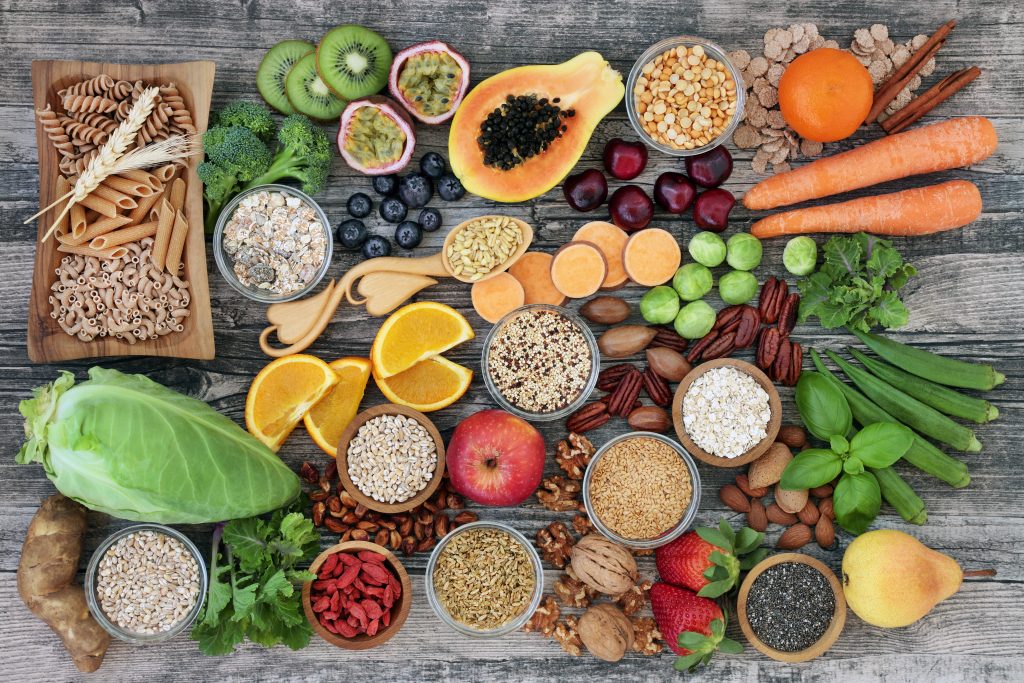
Probiotics are useless without pre-biotics—namely found in colorful veggies and fruits. Incorporate 2-3 colors with most meals, and cook, sautee, steam or puree to ease digestion if needed. If fiber and veggies are not tolerated, this is often a sign that you have an underlying gut bacteria and/or immune imbalance (like histamine intolerance) to address first before being able to tolerate these foods with more ease.
Soothe & De-Stress Your Gut
Support digestion and the healing of gut tissue with natural gut soothers like:
- Bone broth
- Collagen peptides
- Ginger & herbal teas
- Marshmallow root
- Slippery Elm
- Dandelion
Rest & Digest (Sleep!)
Our gut tissue repairs and restores during sleep, and our liver detoxes out toxins. If we don’t sleep enough, constipation, low stomach acid and enzyme production and bloating are much more common.
Sit Upright
Posture matters. During the day, sit upright to expand not only your diaphragm (breathing powers), but also allow for the movement and motility of your digestive tract.
Move It, Move It
Exercise does a body good—but not too much. Both too little and too much exercise imbalance the gut microbiome. Aim for 150-200 minutes each week of exercise, and compliment your gym time with daily lifestyle movement (walking, hiking, yoga, etc.).
Focus on Food Quality
There’s a difference in a McDonald’s beef patty versus a grass-fed and grass-finished beef patty. Eat the good stuff.
Get Fresh Air & Sunshine Daily
Balance your gut bugs and circadian rhythms with fresh air and sunshine.
Break Up with Your Phone
Constantly scrolling, comparing yourself on social media and attaching your phone to your body is not doing your gut bugs or your stress levels any favor.
Build Your Tribe
Human connection is associated with longevity, happiness and healthier gut microbiomes.
Detox Your Hygiene
Your oral bacteria reflect the same bacteria in your small intestine. Optimize your oral hygiene with toxin free toothpastes, powders and washes, and consider oil pulling and regular flossing to cleanse pathogens out of your pallet.
Breathe Clean Air

Biotoxins from mold and mycotoxin containing chemicals wreak havoc on our gut bugs. Optimize your air quality with quality filtration systems.
Detox Your Mind
We are what we eat—including what we feed our mind. Toxic thoughts=constant stress that sends signals to our gut.
Say Om
Yoga, meditation and deep breathing—particularly proper breathing practices (in through your nose, not your mouth)—help calm the CNS system and send “happy gut bug” signals from your brain to your gut.
Play
Laughter and play naturally suppress stress.
Eat 80/20
If we eat too clean, we can actually make ourselves sicker or more intolerant to foods—sort of like the “hygiene hypothesis” (the cleaner we are, the sicker we get).
Rebuild
After any antimicrobial protocol or elimination diet, rebuild your body and your gut bugs with a targeted “rebuilding” protocol including:
- Food reintroduction
- Probiotics & prebiotics
- Strength training + proper recovery and rest
- Identifying and pursuing your life purpose (now that you are no longer sick, you have the opportunity to BUILD into a new and healthier life)
References
- International Foundation for Gastrointestinal Disorders. 2016. About IBS: Statistics. https://www.aboutibs.org
- Choung, R. S., Locke, G. R., Rey, E., Schleck, C. D., Baum, C., Zinsmeister, A. R., & Talley, N. J. (2012). Factors associated with persistent and nonpersistent chronic constipation, over 20 years. Clinical gastroenterology and hepatology : the official clinical practice journal of the American Gastroenterological Association, 10(5), 494-500.
- El-Serag HB, Petersen NJ, Carter J, et al. Gastroesophageal reflux among different racial groups in the United States. Gastroenterology. 2004;126:1692–1699.
- Katz PO, Gerson LB, Vela MF. Guidelines for the diagnosis and management of gastroesophageal reflux disease. Am. J. Gastroenterol. 2013 Mar;108(3):308-28; quiz 329
- Lacy, B. E., Gabbard, S. L., & Crowell, M. D. (2011). Pathophysiology, evaluation, and treatment of bloating: hope, hype, or hot air?. Gastroenterology & hepatology, 7(11), 729-39.
- Raghupathi, W., & Raghupathi, V. (2018). An Empirical Study of Chronic Diseases in the United States: A Visual Analytics Approach. International journal of environmental research and public health, 15(3), 431. doi:10.3390/ijerph15030431
- Davis C. D. (2016). The Gut Microbiome and Its Role in Obesity. Nutrition today, 51(4), 167-174.
- Willyard, Cassandra. (2018). Could baby’s first bacteria take root before birth?. Nature. 553. 264-266. 10.1038/d41586-018-00664-8.
- Clarke SF, Murphy EF, O’Sullivan O, et al Exercise and associated dietary extremes impact on gut microbial diversity Gut 2014;63:1913-1920.
- Dill-McFarland, K. Et al. 2018. Social relationships, social isolation, and the human gut microbiota. Scientific Reports. doi: 10.1038/s41598-018-37298-9
- Münger, E., Montiel-Castro, A. J., Langhans, W., & Pacheco-López, G. (2018). Reciprocal Interactions Between Gut Microbiota and Host Social Behavior. Frontiers in integrative neuroscience, 12, 21. doi:10.3389/fnint.2018.00021
- Rappaport S. M. (2016). Genetic Factors Are Not the Major Causes of Chronic Diseases. PloS one, 11(4), e0154387. doi:10.1371/journal.pone.0154387
- Wang et al, 2018. Good or bad: gut bacteria in human health and diseases. Biotechnology & Biotechnological Equipment. https://doi.org/10.1080/13102818.2018.1481350
- Slonczewski , J. & Foster, J. (2014). Microbiology: An Evolving Science. W.W. Norton and Company, New York.
- Nkamga, Vanessa & Drancourt, Michel. (2016). Archaea: Essential inhabitants of the human digestive microbiota. Human Microbiome Journal. 3. 10.1016/j.humic.2016.11.005.
- National Institutes of Health. 2012. NIH Human Microbiome Project defines normal bacterial makeup of the body. https://www.nih.gov/news-events/news-releases/nih-human-microbiome-project-defines-normal-bacterial-makeup-body
- Thursby, E., & Juge, N. (2017). Introduction to the human gut microbiota. The Biochemical journal, 474(11), 1823-1836. doi:10.1042/BCJ20160510
- E. Rosen, Connor & W. Palm, Noah. (2017). Functional Classification of the Gut Microbiota: The Key to Cracking the Microbiota Composition Code: Functional classifications of the gut microbiota reveal previously hidden contributions of indigenous gut bacteria to human health and disease. BioEssays. 39. 1700032. 10.1002/bies.201700032.
- Łusiak-Szelachowska, M., Weber-Dąbrowska, B., Jończyk-Matysiak, E., Wojciechowska, R., & Górski, A. (2017). Bacteriophages in the gastrointestinal tract and their implications. Gut pathogens, 9, 44. doi:10.1186/s13099-017-0196-7
- Zhang, Y. J., Li, S., Gan, R. Y., Zhou, T., Xu, D. P., & Li, H. B. (2015). Impacts of gut bacteria on human health and diseases. International journal of molecular sciences, 16(4), 7493-519. doi:10.3390/ijms16047493
- Thomas, F., Hehemann, J. H., Rebuffet, E., Czjzek, M., & Michel, G. (2011). Environmental and gut bacteroidetes: the food connection. Frontiers in microbiology, 2, 93. doi:10.3389/fmicb.2011.00093
- Wexler H. M. (2007). Bacteroides: the good, the bad, and the nitty-gritty. Clinical microbiology reviews, 20(4), 593-621.
- Smits, Samuel & Leach, Jeff & Sonnenburg, Erica & G. Gonzalez, Carlos & Lichtman, Joshua & Reid, Gregor & Knight, Rob & Manjurano, Alphaxard & Changalucha, John & Elias, Joshua & Gloria Dominguez-Bello, Maria & L. Sonnenburg, Justin. (2017). Seasonal cycling in the gut microbiome of the Hadza hunter-gatherers of Tanzania. Science. 357. 802-806. 10.1126/science.aan4834.
- Senghor, Bruno & Sokhna, Cheikh & Ruimy, Raymond & Lagier, Jean-Christophe. (2018). Gut microbiota diversity according to dietary habits and geographical provenance. Human Microbiome Journal. 7. 10.1016/j.humic.2018.01.001.