





You do everything right—you eat your veggies, avoid fast food and try to drink water.
So why do you still get bloated after meals? Why do you feel clogged up at the end of the day? Why are you gassy?
Even though you may be doing “everything right”, here are some common tummy-troubling foods that may be making you bloated:
Raw Veggies
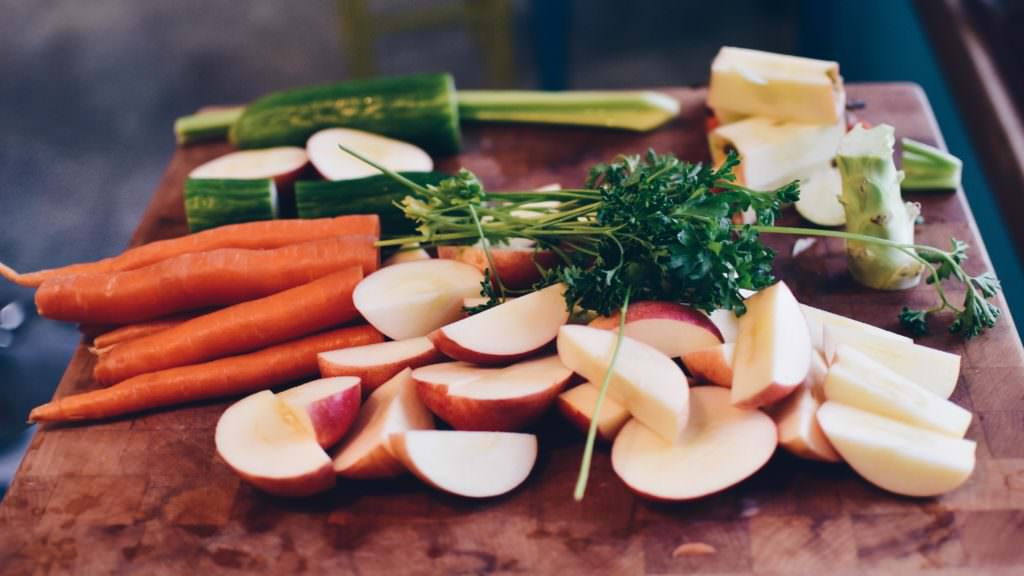
Salads for lunch and celery sticks or carrots for snacks may seem like the “healthy” thing to do, but raw veggies require more work from your digestive system to break them down. Cooked veggies have already been softened and are a bit easier for your body to do its things. Vegetables are also high in insoluble fiber. Although soluble fiber can be soothing for the gut, consuming large amounts of insoluble fiber when your gut is already inflamed can be like touching an open wound. So does this mean avoid veggies? Nope you still need a good 6-10 servings PER DAY (a serving is about the size of your fist), but here are some tips to digest your veggies easier:
- Vary it up: occasionally try “cooked” greens as a base
- Top your raw leafies with some cooked veggies (instead of raw cucumbers, peppers, etc.)
- Remove the stems and peels (i.e. from broccoli, cauliflower and winter greens) from veggies (and fruits) high in insoluble fiber
- Dice, mash, chop, grate or blend your veggies
- Add a generous source of fat (olive oil, ghee, coconut, butter, olives, avocado, etc.)
Fat Free Salad Dressings
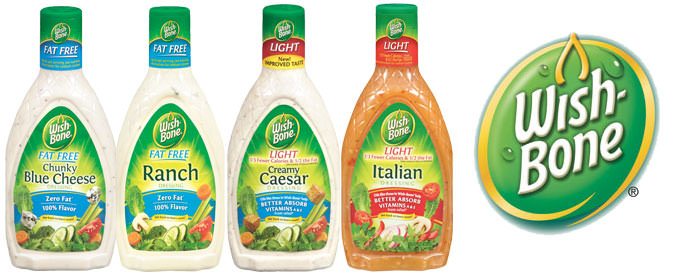
Hello gas! Artificial sweeteners and chemical additives bring on the bloat! They are linked to gas, bloating, diarrhea, constipation and cramps. And they aren’t just in salad dressings. Look for them in toothpaste, chewing gum, mouthwash, fro yo, yogurt, vitamins, cereals, prepared meats, ‘sweet treat’ substitutes (cookies, muffins, baked goods), and more.
Quest Bars
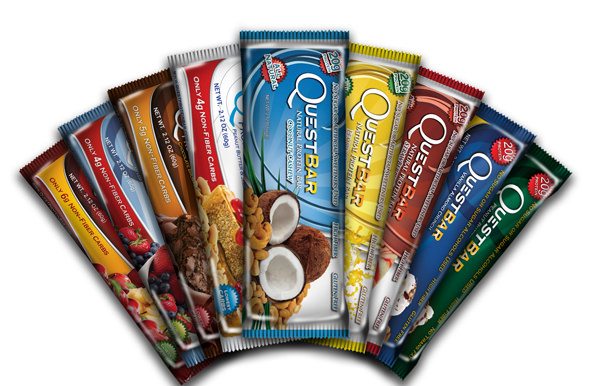
Similar to your fat free dressings, most “nutrition” bars and shakes are packed with anything BUT nutrition—pseudo “high” protein from poor sources of whey or soy, artificial sweeteners, “natural flavors” (sketchy additives) and chemicals with names you can’t pronounce. Even though that post-workout shake seems like the “thing” to do, check in to see how you feel 30-60 minutes after. Running to the bathroom? Suddenly stopped up? No longer hungry—distilled appetite? Gassy? Not normal.
Diet Coke
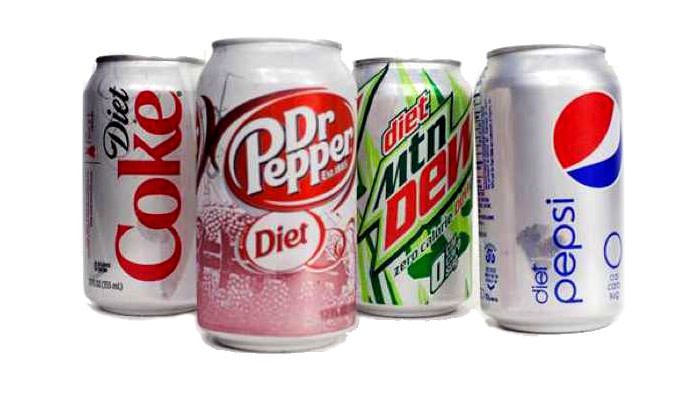
Caffeine dehydrates you. And when you are dehydrated, things aren’t flowing as superbly (enter constipation and gas). For every 8 oz. of caffeine you drink, you need 12 oz. of water—just to keep up. Diet Coke also contains artificial sweeteners and other “natural flavors” linked not only to bloating, gas and constipation, but also not-so-pretty side effects like brain fog, headaches, spotty vision and chest pain. The bottom line: Even though it “doesn’t have calories”, that doesn’t mean it’s good for you.
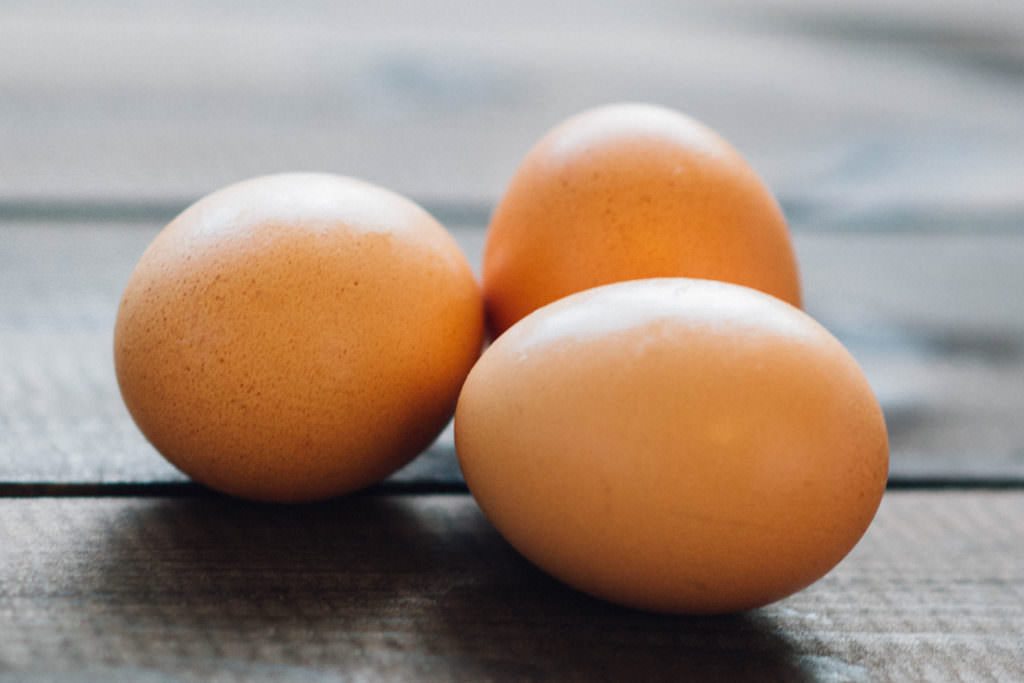
Eggs
Egg belly is real. While eggs are super delicious and nutritious (and a great source of protein and healthy fat in the yolk), many folks have a difficult time with the egg white—which contains albumin, a protein in egg whites can sneak through your intestinal wall and cause stomach issues. If you experience digestive distress (bloating, gas, stomach aches etc.) after eating eggs, try taking them out for a week or two and see if you feel better.
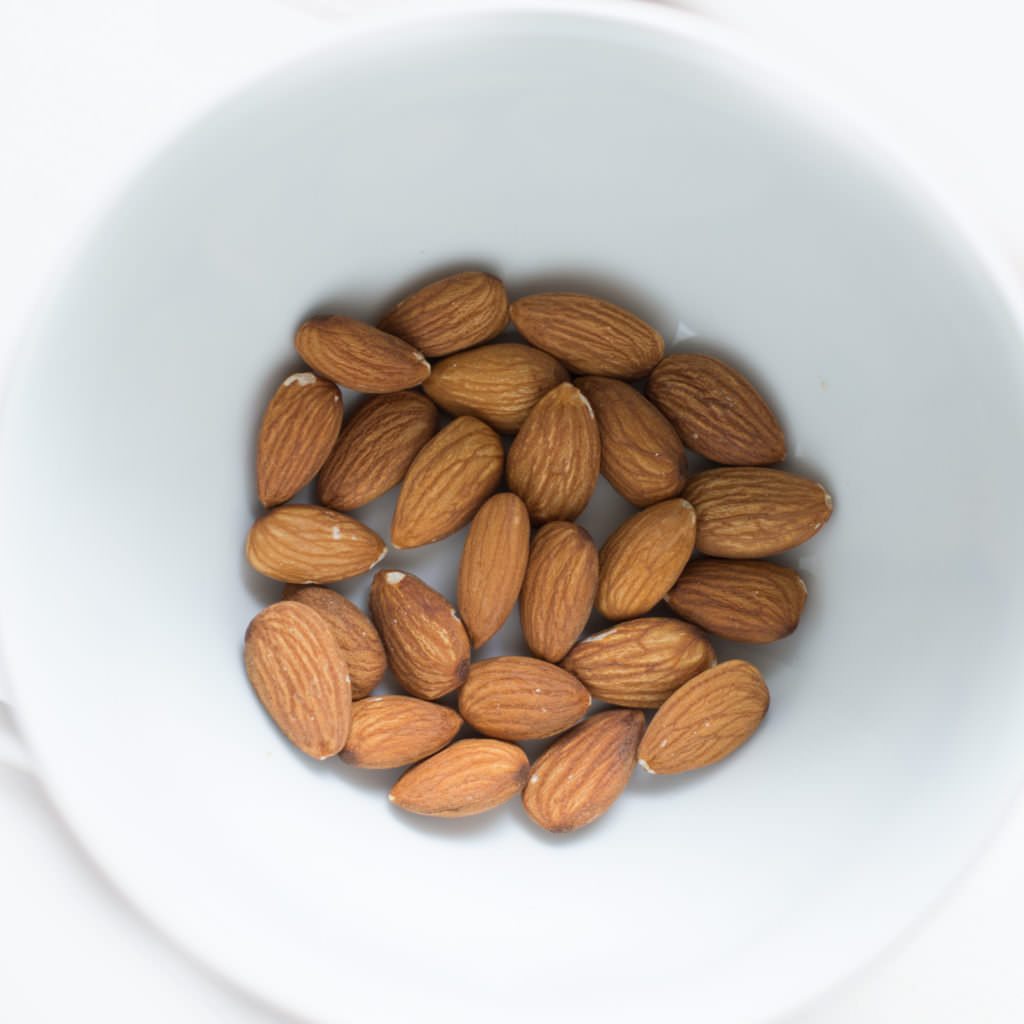
Almonds (& Other Nuts/Seeds)
“Nut gut”—like egg belly—often happens when folks alredy have a pre-disposed leaky gut situation going on. Nuts, like grains, contain phytates and lectins on their outer shell (meant to protect them in the wild from the weather and predators). Translation: If predators or storms can’t defeat nuts in the wild—think about how hard your gut has to work to digest.
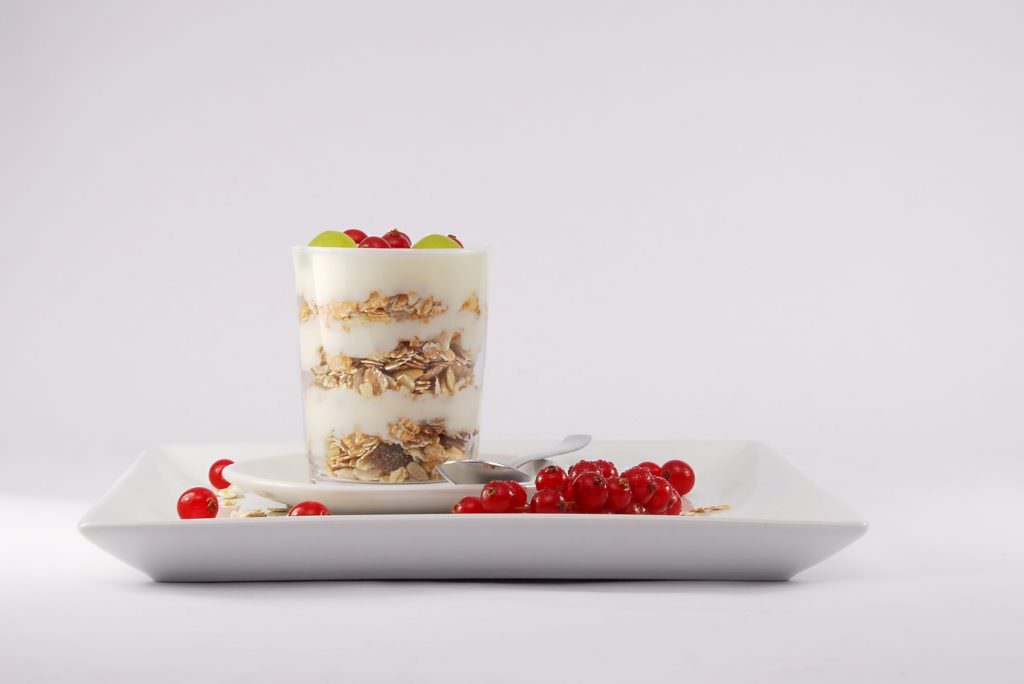
Yogurt
The human gut was not designed to drink the milk of other animals. We need our mom’s milk at birth, but after that, we lack a good amount of the digestive enzymes (lactase) necessary for breaking down dairy foods (like yogurt, milk and cheese). If you do reach for dairy, try reaching for a grass-fed, full-fat, plain version—closest to the “real thing” (not processed). The more “real” yogurt you eat, the more you actually can strengthen your gut (REAL, full-fat, organic fermented yogurt contains natural probiotics—good for gut heatlh). Warning: Don’t fall for the marketing schemas of most conventional yogurts (Yoplait, Fage, Dannon) on the shelves that say: “With probiotics.” These yogurts LOOK like yogurt, and TASTE like yogurt, but they are NOT the same thing as REAL (fermented/probiotic-rich) yogurt. While all yogurt must be bacterially fermented to create it, for most products on the shelves, the end product doesn’t legally have to contain any bacteria at all. In fact, many yogurts are heat-treated to extend their shelf life, a process that kills all the starter cultures and probiotics in the first place. Which yogurt to choose? The FDA requires these products be labeled “heat treated after culturing.” Be sure the container is labeled with “active cultures,” “living yogurt cultures” or “contains active cultures.”
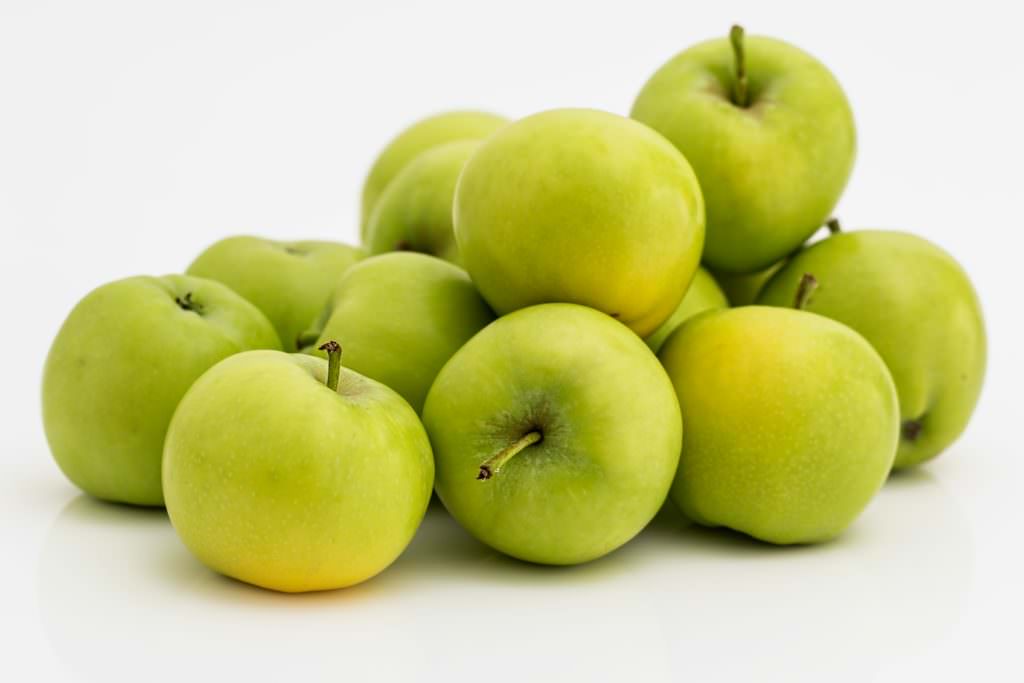
Apples
One word: FODMAPS. The acronym FODMAP stands for Fermentable Oligosaccharides, Disaccharides, Monosaccharides And Polyols. These short-chain carbohydrates (sugars) are incompletely absorbed in the gastrointestinal tract and can be easily fermented (rot) by gut bacteria. The fermentation of undigested sugar is a cause of major IBS symptoms such as gas, pain, and diarrhea. FODMAPS include foods like: Apples, peaches, cherries, dried fruit, mangos, watermelon, broccoli, garlic, onions, Brussels sprouts , cauliflower, cabbage and asparagus. You may find you’re more sensitive to some than others—it’s all based on your individual gut health. Check in and see how you feel.
Thrive Bonus Tip:
Do you find certain foods difficult to digest (especially whole, real foods)?
Try eating them with fermented vegetables (like sauerkraut) or a little bit of low-sugar kombucha around meals as a method for strengthening your gut. You may find that many foods you could not eat before are now well tolerated and can then become beneficial for rebuilding your body.
FREE THRIVE KICKSTARTER GUIDE
Get a taste of what Thrive is all about with the Free 7-Day Thrive in Life Kickstart Guide when you join Thrive’s inner circle.