





Detoxification such as liver detox and skin detox is a crucial process in the body to eliminate toxins and maintain optimal health. The liver plays a central role in this process, as it helps break down harmful substances and prepares them for elimination. Liver detox occurs in three phases, each with its specific functions. In this article, we will explore phases 1, 2, and 3 of liver detox and how you can support your liver health for effective detoxification.
Also, should you need support in creating a customized detox plan (from mold and Lyme disease to improving gut health, liver and gallbladder function), book a complimentary health strategy session with our team today.
The 3 Phases of Liver Detox
Phase 1: Activation and Oxidation
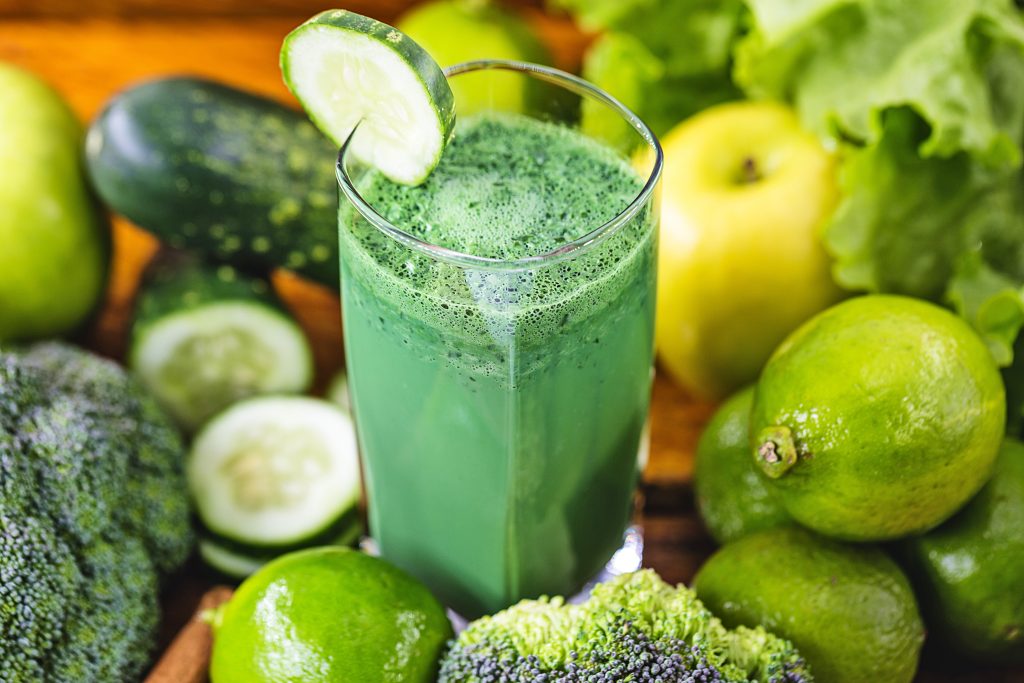
Phase 1 is the initial step in liver detox, where toxins are activated and oxidized to make them more manageable for further processing. This phase relies on enzymes called cytochrome P450, which convert toxic substances into smaller metabolites. However, this process generates free radicals, which can be harmful if not properly neutralized.
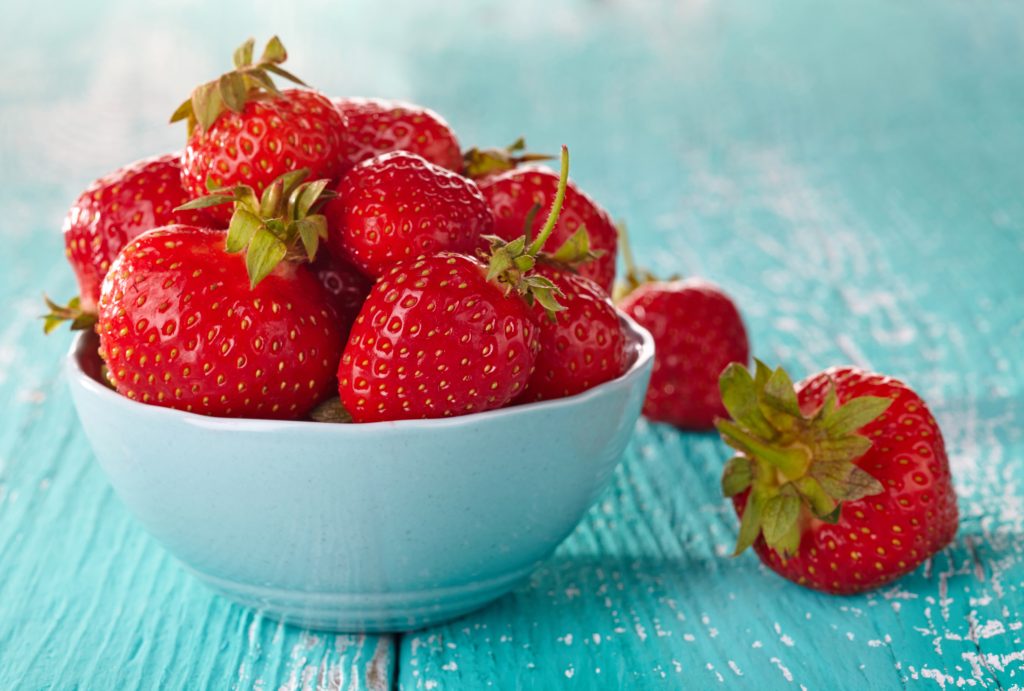
To support Phase 1 detoxification, it is important to consume foods and nutrients that promote antioxidant activity. Antioxidants help neutralize free radicals and protect cells from damage. Citrus fruits like tangerines and oranges, vitamin C-rich foods such as strawberries and bell peppers, and cruciferous vegetables like broccoli and kale are beneficial during this phase.
Lipotrophic compounds found in foods like cysteine, methionine, choline, and inositol can also support Phase 1 detoxification. Additionally, minerals like magnesium and iron are essential for optimal liver function.
However, it’s important to strike a balance with antioxidants. While some antioxidant supplements like resveratrol, coQ10, and vitamins A, C, and E can be helpful, excessive intake may interfere with the production of glutathione, a master antioxidant. Therefore, it is best to obtain antioxidants primarily from a varied diet consisting of fruits and vegetables.
Phase 2: Conjugation and Elimination
In Phase 2, the metabolites produced in Phase 1 are further processed and made water-soluble for elimination from the body. This phase involves various pathways, including glucuronidation, acetylation, esterification, amino acid conjugation, sulfation, and glutathione conjugation.
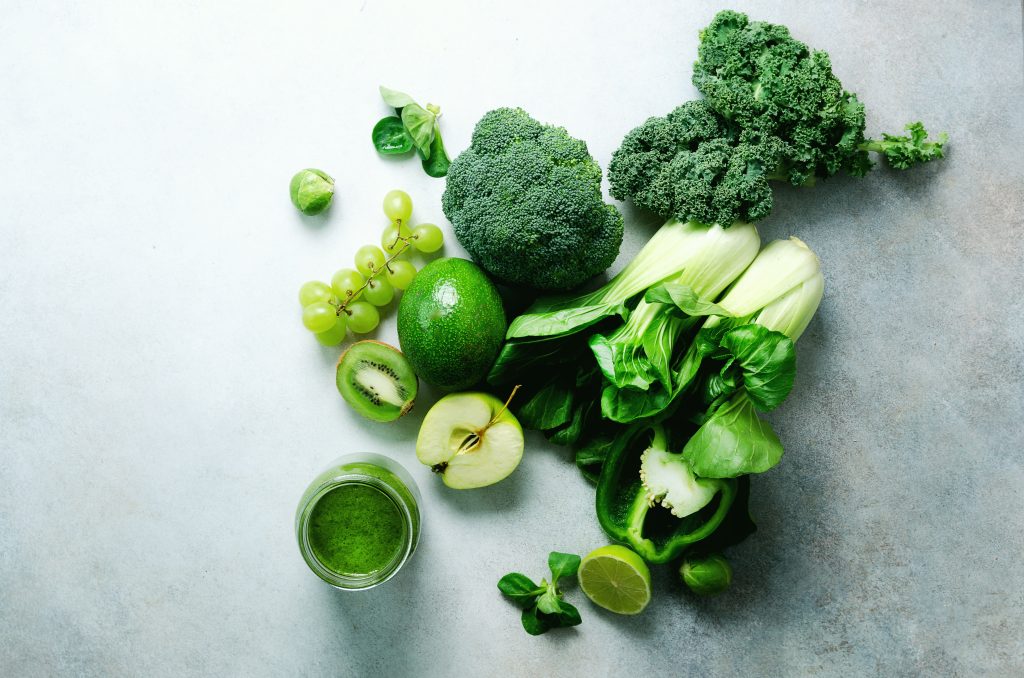
To support Phase 2 detoxification, sulfur-rich foods like cruciferous vegetables, garlic, onions, meat, and egg yolks are essential. Amino acids such as glycine, cysteine (or N-acetyl cysteine), taurine, and methionine, which are found in meat, play a crucial role. Molybdenum, a trace mineral found in leafy vegetables and liver, and vitamin B12 from animal sources are also necessary. Glutathione, which can be synthesized from amino acids or taken as a supplement, is a vital component of Phase 2 detoxification.
If Phase 2 detoxification is sluggish, the metabolites produced in Phase 1 may accumulate and cause adverse effects. Symptoms such as insomnia, brain fog, and hot flashes could be indicators of impaired Phase 2 detoxification. It is crucial to ensure an adequate intake of nutrients to support this phase and facilitate the proper elimination of toxins from the body.
Phase 3: Transportation and Elimination
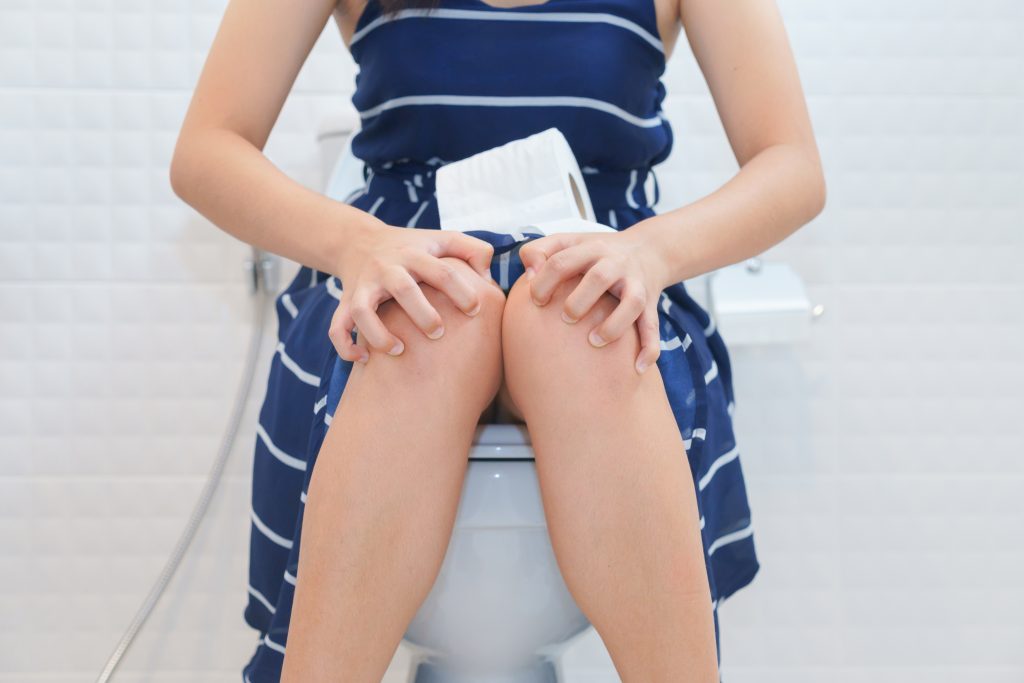
Phase 3 involves the transport of the water-soluble metabolites from Phase 2 for elimination. The metabolites can be excreted through urine or bile and eliminated via the bladder or stool, respectively.
Adequate hydration is crucial for the kidney-urine elimination pathway in Phase 3. It is essential to drink enough water to support the proper elimination of toxins through urine. Additionally, maintaining a healthy gastrointestinal system is important for effective elimination through stool. Regular bowel movements without constipation or diarrhea are indicators of a well-functioning Phase 3 detoxification.
If bowel movements are not optimal, it is important to address underlying causes such as dysbiosis (microbial imbalance in the gut), inadequate fiber intake, magnesium deficiency, or consumption of inflammatory foods. Resolving these issues before embarking on a focused detox or cleanse is crucial to prevent further complications and ensure the effectiveness of Phases 1 and 2.
Conclusion
Understanding the three phases of liver detox is essential to support your overall health and well-being. By incorporating a diet rich in antioxidant-rich fruits and vegetables, sulfur-containing foods, amino acids, and essential nutrients, you can enhance the efficiency of liver detox. Furthermore, maintaining proper hydration and a healthy gastrointestinal system is crucial for the elimination of toxins from the body.
It is recommended to consult with a healthcare professional, like a functional medicine practitioner, for personalized guidance and support in optimizing liver detox for individual needs.