




How’s your gut health and have you taken any gut tests lately?
3 Gut Tests You Can Do at Home
Try a series of gut tests and see with these 3 simple at-home assessments.
Test 1: Symptom Check List

A simple way to tell if we may have a gut imbalance is by looking for symptoms that suggest abnormal digestive health.
- Gas, bloating, and belching after meals
- Frequent loose stools
- Alternating constipation and diarrhea
- Undigested food in the stools
- Indigestion and heartburn
- Bad breath
- Chronic food sensitivities
- Mucus in the stool
- Pain or straining while passing a bowel movement
- Skin breakouts or problems
- Dental cavities
- Hormone imbalances (low T, PMS, endometriosis, etc.)
- “Stubborn” metabolism
- Insomnia
- Sleep apnea
- Autoimmune disease
- Allergies & asthma
- Thyroid disorders
- Sinus infections
- Joint pain
- Oral thrush (white fuzzy tongue)
- Nutrient deficiencies (anemia, low Vitamin D, etc.)
- Chronic anxiety
- Yeast infections
- Insatiable food cravings (especially for sugar, coffee + carbs)
Test 2: Poo Log
How is your poo? Ideally we have the “Golden Poo” 1 to 3 times per day.
See how do you stack up and try different gut tests.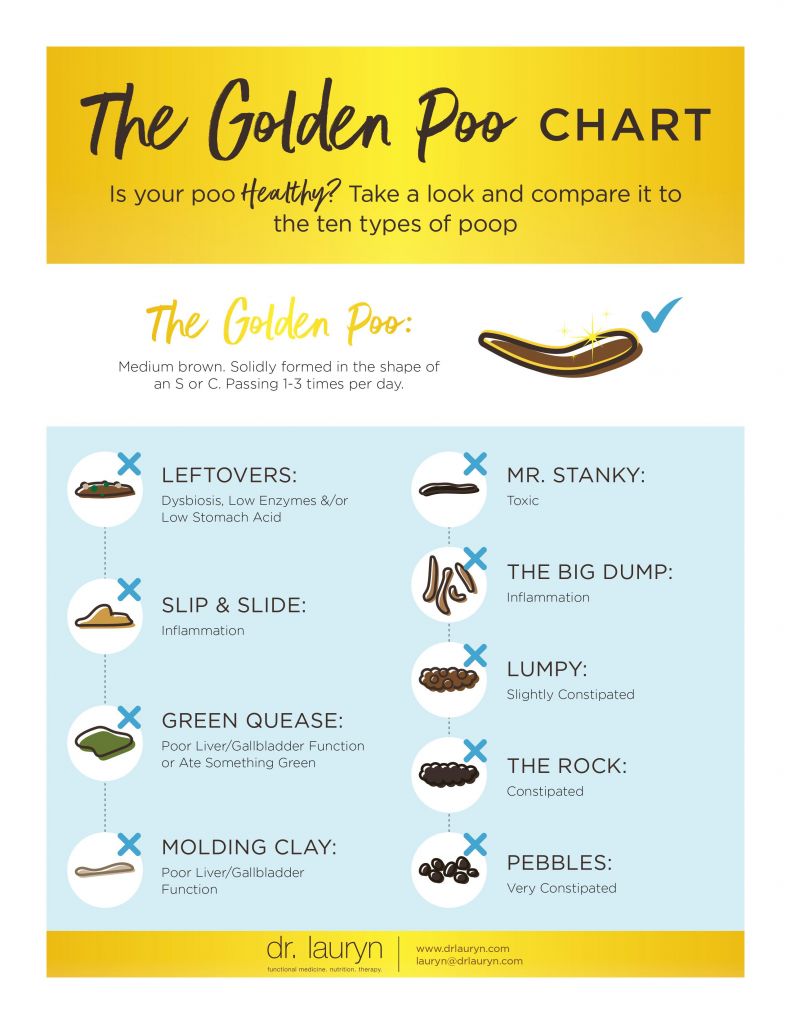
Golden Poo: Inner gut balance.
Pebbles: Constipation, lack of fiber, low levels healthy bacteria, antibiotics.
Rock: Constipation, IBS, gut inflammation, stress.
The Big Dump: Long term constipation or IBS.
Mr. Stanky: Something is toxic. Liver distress.
Molding Clay: Gallbladder & fat malabsorption.
Green Quease: At something green, fast transit and/or gallbladder issues.
Slip & Slide: Abnormally fast bowel transit, dysbiosis, diahrrhea, excessive stress, laxatives or gut disorders, gut irritation, IBS.
Leftovers: Low enzymes + stomach acid, dysbiosis, stress, gut irritation.
Test 3: Food Intolerance Hack
Make a list of the top 3 to 5 foods you eat every day.
Take ‘em out for 3 days, and see how you feel.
Pick a replacement for those foods. For example Spinach Rainbow Chard.
Bonus: Coca’s Pulse Test
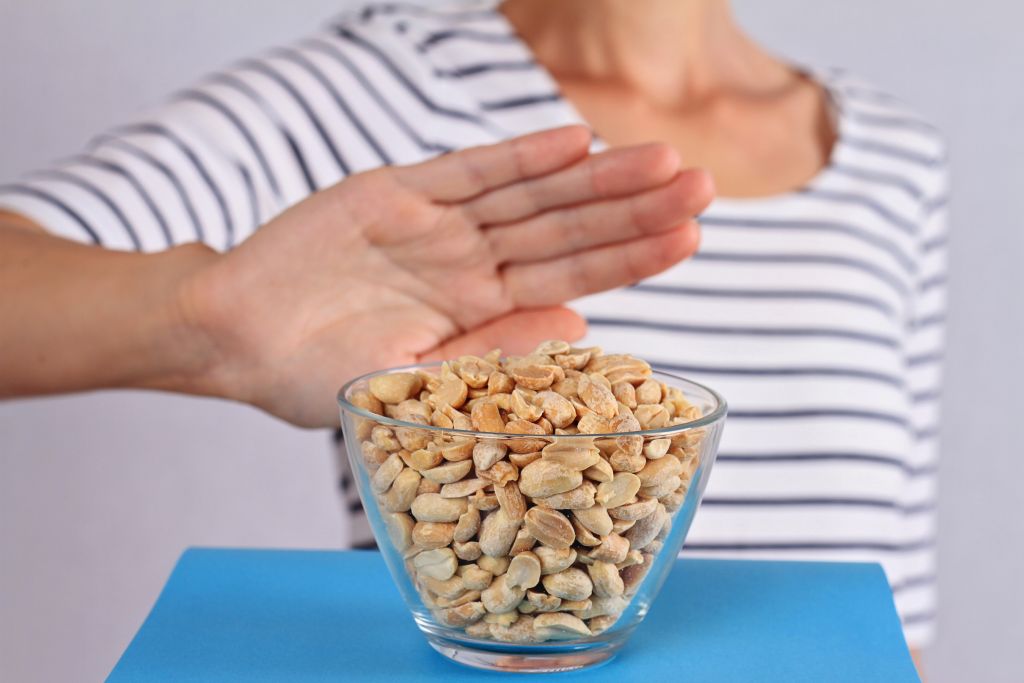
Suspect a food intolerance?
Pick the food you think is causing issues.
Take your resting heart rate for 60 seconds before putting the food in your mouth.
Chew and salivate on the food for 30 seconds.
Take your resting heart rate again.
If your rate changes more than 6 beats per minute, it suggests “histamine” intolerance.