





Type 2 diabetes has been coined an epidemic of modern day. Many are trying to discover the best natural treatments for diabetes. This article will provide you with top natural treatments for diabetes.
In a world where, 93% of Americans are “metabolically unhealthy”—including diabetes, pre-diabetes, high cholesterol and weight challenges, you are not alone if you find yourself living with type 2 diabetes.
That said, something your doctor may not tell you is that there are several strategies—beyond drugs, like Metformin. Also, there are several natural treatments for diabetes you can try.
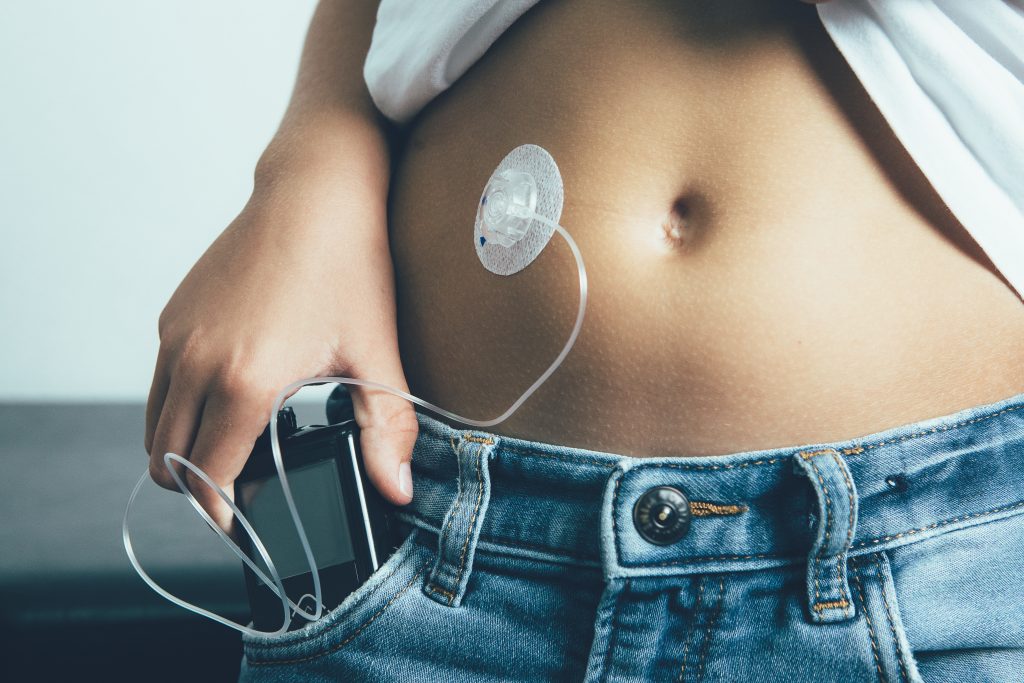
In fact, after the released pharmaceutical reports revealing that Metformin actually contains the same chemicals used in rocket fuel, you may want to consider sharing this article with your doctor as well. While there are some cases where a person with Type 2 Diabetes may have a hypo functioning pancreas (that may require exogenous insulin support throughout their life), no one is “too far gone” to feel better.
Let’s unpack 8 natural treatments for diabetes for Type 2 Diabetes (not just managing symptoms).
Disclaimer: This article is for educational purposes only and should not be construed as medical advice. Please consult with your personal healthcare practitioner or become a client of our virtual functional medicine clinic today.
8 Science-Backed, Natural Treatments for Diabetes Strategies
#1. Ditch the Dieting
Food is the #1 variable you have the most control over for balancing blood sugar and sending type 2 diabetes into remission. Interestingly, the word “diet” actually means a “way of life” in Latin—not “keto,” “intermittent fasting,” “low carb,” “low fat,” “Atkins,” “carnivore” or anything in between.
A blood sugar balancing diet includes all 3 main macronutrients—healthy fat, fiber (carbs) and protein, real food style.
Real Food Defined
Eat real food—as close to its natural state as possible. If it didn’t grow on the land, roam the earth, or swim in the sea, it’s not real food.
Meat and fish. Healthy fats. Veggies. Fruits. Some starch. No added sugar. Lots of water. Support local, responsible producers.
Food is not about perfection. Keep an 80/20 balance—with food and life. Let life happen.
When in Rome, eat pasta. Enjoy your birthday cake.
Don’t let fear (of food) keep you from all that life has to offer. Above all, ditch the obsessive diet mentality and question conventional wisdom.
Strategy
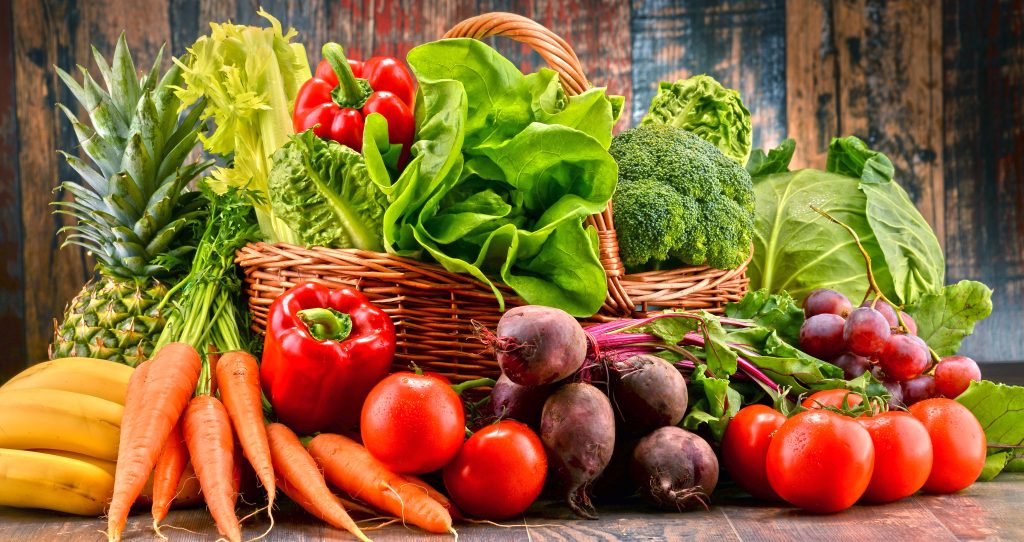
Ditch the diets and packaged, processed foods as the bulk of your diet (even if it’s “keto”). Shop the perimeter at the grocery store as well as at farmers markets for the majority of what you consume. Get creative with “paleo” recipes if you get bored and/or order a healthy delivery meal service. This is one of the best natural treatments for diabetes.
#2. Eat 3 Balanced Meals (& Cut the Snacking)
Blood sugar stability thrives best when we have time to “rest and digest” our food. Ideally, 4 to 6 hours between meals is a great goal to allow your last meal to “move on through.”
When we snack every 2 to 3 hours, we force our blood sugar to go up and down, up and down, up and down.
Additionally, intermittent fasting is “so hot” right now, however, for patients currently on medications, long periods of fasting may actually be contraindicated (leading to hypoglycemia instead of blood sugar balance). Essentially, fasting is doing what diabetes medications are prescribed to do— improve insulin sensitivity. At the very least, going 12 hours between dinner and breakfast is ideal; and alternate day fasting (one day eating up to two meals; another day, eating 3 meals) may be beneficial as well.
Strategy
Instead of snacking, aim to eat 3 balanced meals daily—Include a fat, fiber and protein on your plate at each meal. Bonus: start the day off with at least 25 to 40 grams of protein within the first 2 hours of waking. This sets the tone for your blood sugar. All. Day. Long. You will surely benefit from these natural treatments for diabetes.
#3. Boost Digestion
Your gut health and digestion is the biggest game changer in your blood sugar levels. If food is the #1 variable that you have control over, your gut health is the #1 factor that is affected by your diet and that affects your diabetes status.
Your gut is home to over 1 trillion microbes that aid in digesting your food and by default, regulating your blood sugar.
Chronically “high blood sugar” and insulin (hyperglycemia or Type 2 diabetes) is just a sign that (#1) your gut bugs are not absorbing your nutrients well and/or your gut bugs are stressed and inflamed; and (#2) your gut bugs may not be nourished.
A simple way to boost digestion at meals? It starts in your mouth!
Strategy
One: Chew your food REALLY WELL (you don’t want that chunk of chicken to be a chunk of chicken when you swallow it.
Two: Boost stomach acid and digestive enzyme production. Swig an apple cider vinegar “shot” with meals and/or take HCL and digestive enzymes with food to aid in the break down and absorption of your food. Apple cider vinegar reduces blood sugar post meal.
Three: Drink water with a pinch of sea salt and/or minerals during the day. Water with minerals (and/or sea salt) naturally boosts digestion to help you absorb your nutrients (as long as you drink your water away from meal times! Sip water when eating food—instead of guzzling it—so you don’t impede with digestion.
#4. Add in Probiotics & Pre-biotic
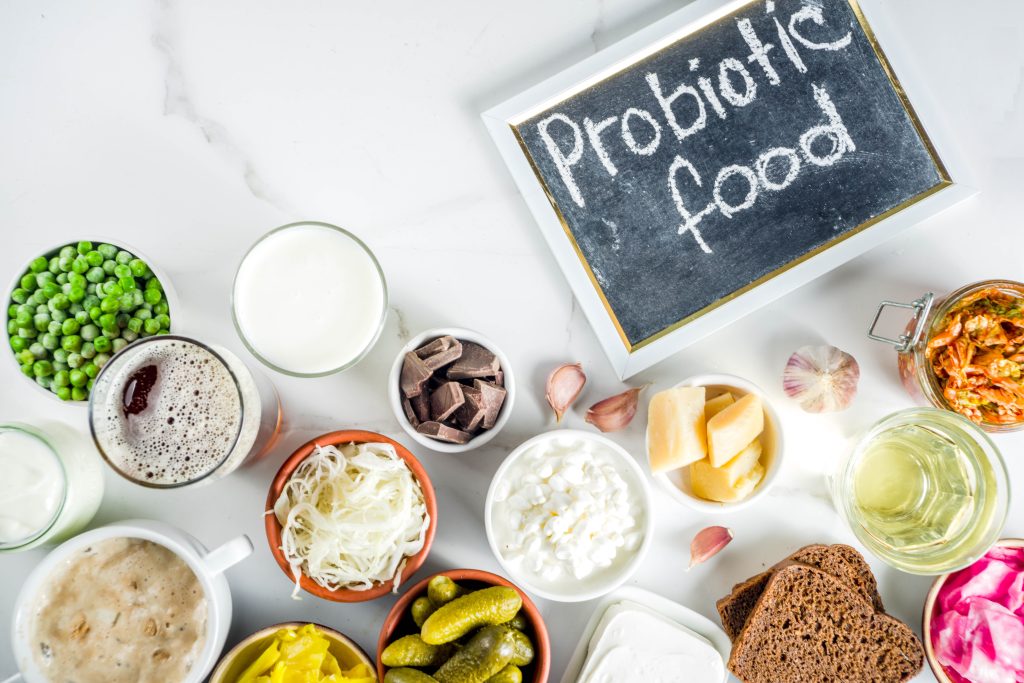
Probiotics mimic healthy gut bugs to help boost the “buddies” in your belly.
Warning: not all probiotics and prebiotics are created equal. In fact, upwards of 90% of probiotics on shelves at the grocery store do not contain efficacious doses of probiotics to even make a “dent” in improving your gut. Additionally, it’s important to remember probiotic research is still in its infancy. Thirty years from now, what we know will look drastically different.
However, one thing that will never go out of style is the fact that healthy gut bugs require prebiotic fiber and resistant starch to thrive. Pair probiotic supplements and foods with prebiotic fiber in your diet, and boom: a gut reset is on its way! Keep following these natural treatments for diabetes.
Top Probiotic Picks
Note: Order most everything at the Fullscript Store (HERE) unless otherwise linked
Supplements
- D-Lactate Free Probiotic- Custom Probiotics
- Probiospore Probiotic
- Seed Probiotic
- Therbiotic Complete – Klaire Labs
Probiotic Foods
- Fermented and pickled vegetables
- Water and coconut kefir
- Cultured coconut yogurt
- Kimchi
- Kvass
Top Prebiotic Picks
Note: Order most everything at the Fullscript Store (HERE) unless otherwise linked
Supplements
Fiber Rich Foods
- Resistant starch
- Cooked and cooled potatoes/sweet potatoes
- Cooked and cooled rice and gluten free oats
- Legumes (beans and lentils)
- Green-tipped bananas
- Green plantains
- Soluble fiber veggies & fruits (boiled, sautéed, steamed, with stems, peels, stalks, seeds, & skins removed):
- Arugula (well cooked)
- Artichokes (not Jerusalem)
- Asparagus
- Beets
- Beet tops
- Bok choy
- Broccoli
- Brussels sprouts
- Carrots
- Cauliflower
- Chard
- Cucumber
- Collards
- Daikon radish
- Garlic
- Green beans (from frozen section – well cooked)
- Green onion
- Kohlrabi (& leaves)
- Leeks
- Lettuce
- Mushrooms
- Mustard greens
- Onions (red, yellow, white)
- Pattypan squash
- Peas
- Pumpkin / Kabocha squash (fresh)
- Radishes (& tops)
- Rutabaga leaves
- Spinach
- Turnips
- Yellow squash
- Zucchini
Strategy
Probiotic up: Take a high quality probiotic daily + include a probiotic food with a meal.
Fiber up: For breakfast, eat meat/eggs + veggies or a shake with 1 piece of fruit. Include something green + something colorful (or a resistance starch) at lunch and dinner.
#5. Cleanse Your Gut
Beyond bringing the “good guys” (healthy bacteria) in with probiotics and prebiotics, a good ol gut cleanse to “clean sweep” any unhealthy bacteria may be warranted.
Gut symptoms affect 50-70% of diabetic patients, resulting from a microbiota imbalance (dysbiosis, SIBO). In fact, gut symptoms explain carbohydrate malabsorption and insulin resistance in patients with Type 2 diabetes! (and gut dysbiosis may actually be a root cause of Type 2 diabetes itself).
A gut “cleanse” is unique to every individual (depending on what’s going on under the hood — is it SIBO? Candida? A parasite? Etc.), however beyond drinking lots of green juice or fasting, “cleansing” your gut naturally may entail:
- Adding humic and fulvic minerals to your water
- Taking antimicrobial herbs (supplements), such as berberine and other broad spectrum agents like this one and this one
- Using biofilm disruptors like NAC or Interfase Plus to break up bacteria
- Rebuilding the gut lining with “leaky gut” supports like colostrum, immunoglobulins, monolaurin and short chain fatty acids
- Using a binder (like chlorella and charcoal) or extra fiber (to help bind to toxins and bacteria die off)
These supports, in addition t
o a balanced “gut loving” diet and “loving your liver and gallbladder” (strategy #6), can help you take healthy control of your Type 2 diabetes.
Strategy
Work with a healthcare practitioner to customize an appropriate gut cleanse for your specific needs.
#6. Detox Diabeogens
Toxins in modern day are now being called “obesogens”, and “diabetogens” for their endocrine and blood sugar disruptive qualities.
We are exposed to over 80,000 toxic (endocrine disrupting) chemicals every day that wreak havoc on optimal body functions— interfering with healthy hormone and blood sugar actions.
As a result, diabetes and obesity occur and may very well be called “biotoxin diseases.”
Common diabetogens include:
- BPAs and PCBs (plastics, like water bottles)
- Heavy metals (in fish, dental work, foods, water)
- Pesticides
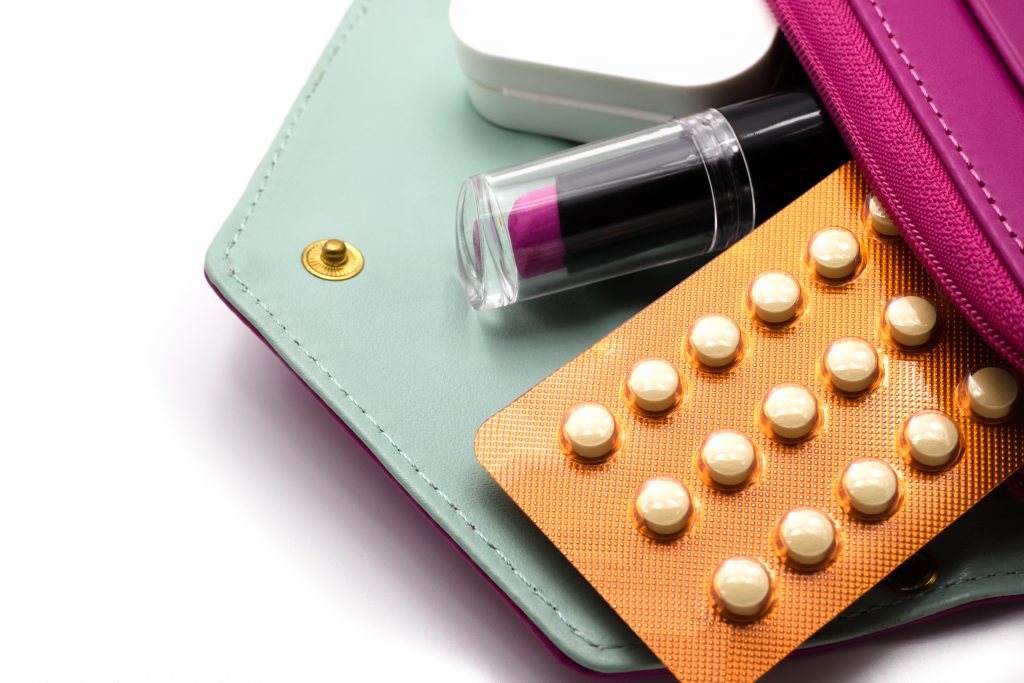
- Birth control pills
- Phthalates, dioxins and aromatic polycyclic hydrocarbides in toxic hygiene and cleaning supplies
A simple, but effective, way to ‘cleanse’ the body entails mitigating and AVOIDING these toxic exposures as much as possible in our daily lives.
Strategy
Reduce and mitigate toxin exposures. Here are some simple swaps to get you started with these natural treatments for diabetes:
- Swap plastic water bottles for stainless steel and glass water bottles
- Choose low mercury fish (tuna, salmon, cod)
- Get fillings removed by a biological dentist
- Buy organic produce and meats (and shop local as much as possible)
- Ditch fragrances and scented plug-ins.
- Choose non-toxic hygiene and cleaning supplies
#7. Lift Weights & Walk it Out
We all know that exercise is good for us. But do you know why is it so good for us? (Beyond “burning calories” or “earning your food”?).
Exercise helps stabilize your blood sugar levels, creates new mitochondria (cellular energy), and helps detox and balance your gut microbiome.
Contrary to popular belief though, elliptical machines, treadmills and chronic cardio is not the best physical activity strategy. Instead, resistance training combined with walking and yoga or meditation are a triple “threat” for improving glucose control in people with type 2 diabetes.
Strength training (2 to 3 times per week) in particular is one of the top research-backed methods for significantly lowering HbA1c and insulin levels.
As for walking, walking is the most ancestral form of physical activity, easily applicable in daily life. For many patients, it may represent a simple first step towards lifestyle changes. Interestingly, a recent study in middle-aged women at high risk for type 2 diabetes proved that both standing and walking acutely reduce post-meal glucose, insulin, and fatty acid breakdown, as compared with prolonged sitting—indicating that standing up and walking may be sufficient to improve the metabolic profile in sedentary people. Another study showed that interval walking during a block of 30 to 60 minutes daily (1-3 minutes fast, then 1-3 minutes slow) also greatly lowers HbA1c, post meal glucose and oxidative stress.
And of course, yoga (who is yoga NOT good for?).
Researchers compared participants who did steady state (non interval) walking or yoga, 5 times per week for 45 minutes and found a significant increase in healthy insulin release (versus resistance) which was paralleled by a positive signs of lower blood sugar on bloodwork, improved beta cell function (glucose control) and overall better HRV (less stress) in the yoga group compared to the walking group after 3 months of intervention.
Unfortunately, even with such great results, half of people with diabetes still do not engage in any weekly or regular workout routine.
The authors found a significant increase in the acute phase of insulin release which was paralleled by increases in c-peptide levels in the yoga group as compared to the control group after 3 months of intervention. Increases in GLP-1 and beta-cell function were also recorded, as were improvements in insulin resistance and measures of heart rate variation in those in the yoga protocol group. Perceived stress levels in the yoga group shifted from severe at the start of the study to moderate at the end, whereas the walking controls had no change.
Strategy
Lift weights 2-3 days per week; walk and engage in yoga 5x per week for 30-60 minutes. You DO have time (we are the stories we tell ourselves).
#8. Optimize Your Circadian Clock

Lift weights 2-3 days per week; walk and engage in yoga 5x per week for 30-60 minutes. You DO have time (we are the stories we tell ourselves).
Sleep is a power glucose regulator, arguably just as important, if not more, than food.
Just one night of sleep restriction is enough to reduce your blood glucose tolerance by 40% for the entire rest of the day—meaning, you may be hungrier, more tired, snack hungry, have brain fog and reduced motivation.
Multiple studies have also shown that repeated awakenings during the night, insufficient quality sleep, excessive sleep, and irregular sleep all promote glucose intolerance.
Aside from sleep, your circadian clock (built in biological clock) is another huge determinant of blood glucose levels. Our circadian clock is run by light, daily schedule and the rhythms of the sun. Hence, if we are looking at blue light all day long, our brain and body get stressed out, thinking it’s daytime all day long. Likewise, if we are eating dinner at 6 pm one day, then 11 pm the next, then 7 p.m., etc. then our internal clock gets confused. Hello stress (inside).
Strategy
Keep a consistent daily schedule for waking, sleeping and eating habits.
Aim to eat about the same time daily.
At nighttime, swap out bright overhead lights for small laps, red lights, and nixing blue screens on your phone, computer and TV.
Sleep in a pitch black, cool room (68 or below)—use an eye mask or blackout curtains. Use natural light and get as much fresh air as possible.
Summary
Want an Individualized approach to kicking diabetes or learn more about natural treatments for diabetes? Reach out today to become a client at our virtual functional medicine clinic.
References
- Kurşunoğlu NE, Sarer Yurekli BP. Endocrine disruptor chemicals as obesogen and diabetogen: Clinical and mechanistic evidence. World J Clin Cases. 2022 Nov 6;10(31):11226-11239. doi: 10.12998/wjcc.v10.i31.11226. PMID: 36387809; PMCID: PMC9649566.
- Fénichel P, Chevalier N. Environmental endocrine disruptors: New diabetogens? C R Biol. 2017 Sep-Oct;340(9-10):446-452. doi: 10.1016/j.crvi.2017.07.003. Epub 2017 Aug 18. PMID: 28826789.
- Jansson, Anna & Chan, Li & Lubans, David & Duncan, Mitch & Plotnikoff, Ronald. (2022). Effect of resistance training on HbA1c in adults with type 2 diabetes mellitus and the moderating effect of changes in muscular strength: a systematic review and meta-analysis. BMJ Open Diabetes Research & Care. 10. e002595. 10.1136/bmjdrc-2021-002595.
- Moghetti P, Balducci S, Guidetti L, Mazzuca P, Rossi E, Schena F; Italian Society of Diabetology (SID),; Italian Association of Medical Diabetologists (AMD),; Italian Society of Motor and Sports Sciences (SISMES). Walking for subjects with type 2 diabetes: A systematic review and joint AMD/SID/SISMES evidence-based practical guideline. Nutr Metab Cardiovasc Dis. 2020 Oct 30;30(11):1882-1898. doi: 10.1016/j.numecd.2020.08.021. Epub 2020 Sep 2. PMID: 32998820.
- Obermayer A, Tripolt NJ, Pferschy PN, Kojzar H, Aziz F, Müller A, Schauer M, Oulhaj A, Aberer F, Sourij C, Habisch H, Madl T, Pieber T, Obermayer-Pietsch B, Stadlbauer V, Sourij H. Efficacy and Safety of Intermittent Fasting in People With Insulin-Treated Type 2 Diabetes (INTERFAST-2)-A Randomized Controlled Trial. Diabetes Care. 2023 Feb 1;46(2):463-468. doi: 10.2337/dc22-1622. PMID: 36508320.
- Esther Donga, Marieke van Dijk, J. Gert van Dijk, Nienke R. Biermasz, Gert-Jan Lammers, Klaas W. van Kralingen, Eleonara P. M. Corssmit, Johannes A. Romijn, A Single Night of Partial Sleep Deprivation Induces Insulin Resistance in Multiple Metabolic Pathways in Healthy Subjects, The Journal of Clinical Endocrinology & Metabolism, Volume 95, Issue 6, 1 June 2010, Pages 2963–2968, https://doi.org/10.1210/jc.2009-2430