


 Metered Dose Vs. Nebulizer: Ventolin Delivery Options Explained
Mdi Versus Nebulizer: Quick Comparison of Mechanics
Imagine standing at a crossroads between two inhalation technologies: the small pressurized canister of a metered-dose inhaler and the humming cup of a nebulizer. The MDI delivers a measured spray propelled by propellant, producing aerosolized droplets that must be coordinated with a breath or spacer to reach the airways. A nebulizer converts liquid medication into a fine mist over several minutes using compressed air or ultrasonic waves, allowing relaxed tidal breathing and steady deposition.
Mechanically, MDIs rely on pressurized canisters and produce quick bursts ideal for rapid relief; dose consistency depends on actuation technique and device condition. Nebulizers require a power source and longer run times but offer continuous, gentle delivery suited to children, severe exacerbations, or those unable to coordinate inhalation. Clinicians weigh droplet size, treatment duration and patient ability when choosing the most effective delivery method and context.
| Device | Key Mechanic |
|---|---|
| MDI | Pressurized spray; requires coordination or spacer |
| Nebulizer | Powered mist; allows passive tidal breathing |
Speed of Relief: Which Device Acts Faster
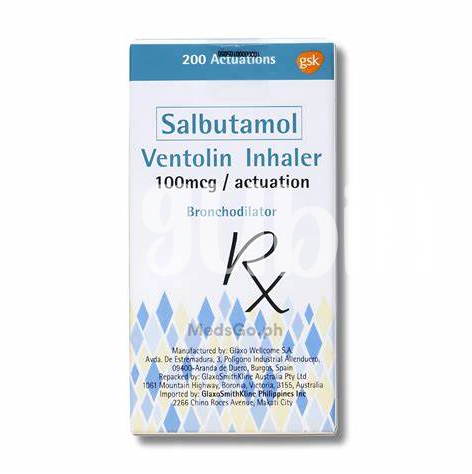
A sudden gasp, the room narrowing: many reach for a ventolin inhaler first because it’s compact and familiar. MDIs produce concentrated puffs that start working quickly, turning panic toward manageable, measurable breaths in short order.
Technically, MDIs deliver a high-concentration aerosol bolus directly into large and small airways; onset often felt within minutes. Nebulizers turn liquid into a fine mist over several minutes, offering prolonged exposure but slower initial relief.
Technique can flip the race: poor timing with an MDI reduces drug deposition, while a spacer raises effectiveness and speeds benefits. Nebulizers demand less coordination, making them dependable when patients are distressed, coughing, or weak.
Clinically, for immediate rescue most providers favor quick puffs via an MDI (with spacer) because onset is rapid; nebulizers suit prolonged treatment or severe exacerbations. Discuss plans with your clinician and practice inhaler technique regularly.
Technique Matters: Tips for Using Mdi Effectively
I remember the first time I taught a patient to use a ventolin inhaler — nervous hands, shallow breaths and confusion about spacer use. Slow, deliberate steps transform that uncertainty: shake the canister, exhale fully, seal lips around the mouthpiece, press and inhale steadily for five seconds, then hold breath for ten. Using a spacer when possible reduces coordination needs and boosts lung delivery, while waiting 30 to 60 seconds between puffs helps the medicine work optimally.
Practice makes the motion automatic: sit or stand upright, focus on a long gentle inhalation, and rinse your mouth after steroid-containing doses. For children or elderly users, demonstrate with a spacer and mask; for sudden wheeze, give one puff and reassess before repeating. Regular review with a clinician keeps technique correct, ensuring your rescue inhaler delivers fast, reliable relief when you need it most.
Nebulizer Strengths: Steady Dosing and Suitability Explained
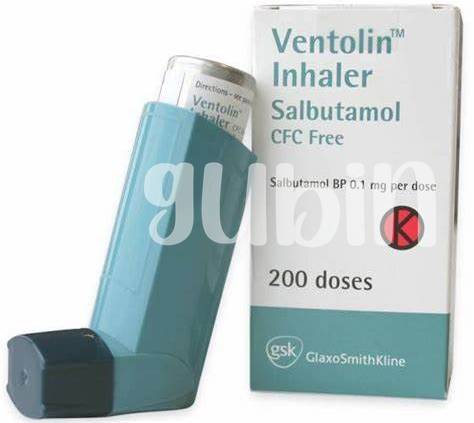
A quiet hum fills the room as medicine drifts from mask to lung, offering a steady dose beyond what a ventolin inhaler provides.
Because aerosol is continuous, delivery is less dependent on breath technique; children, seniors, and severe cases gain consistent dosing with minimal effort.
Clinicians value nebulizers for titrating treatments and combining drugs; treatment sessions can be longer, improving deposition in small airways for many patients.
Drawbacks exist—lower portability, cleaning needs, and time—but when steady, reproducible dosing matters, a nebulizer is often the practical choice, ideal for infants, elderly.
Who Should Choose Which Device: Tailored Recommendations
If you need rapid rescue during sudden wheeze or tightness, a small, correctly used ventolin inhaler often wins. Its speed and convenience suit on-the-go adults and children who can master inhaler technique, offering immediate relief with minimal fuss.
A nebulizer becomes the steady choice for infants, elderly patients, or those unable to coordinate inhalation. It delivers continuous mist over minutes, easing dosing for severe attacks, people with poor hand-breath coordination, and when higher cumulative doses are needed.
Consider lifestyle: travelers and active teens often prefer inhalers; clinic-bound or overnight therapy may favor nebulizers. Discuss preferences, dexterity, and cost with a clinician to tailor choice, ensuring effective delivery and confidence in everyday asthma management and adherence.
| Best for | Why |
|---|---|
| Ventolin inhaler | Fast relief, portable |
| Nebulizer | Steady dosing, suitable for infants |
Practical Factors: Cost, Portability, Cleaning, and Maintenance
Choosing between an MDI and a nebulizer often comes down to practicalities. MDIs are inexpensive, pocket-sized and ideal for people who travel or need quick doses; nebulizers have higher upfront cost and are bulkier but may be cheaper over time if using reusable compressors and masks.
Cleaning habits shape effectiveness. MDIs require occasional wipe-downs and replacement of spacers, while nebulizers demand daily rinsing, regular deep cleans and periodic filter and tubing replacement to prevent contamination.
Think of an MDI as a fast, low-maintenance companion and a nebulizer as steady, equipment-dependent therapy; factor insurance coverage, caregiver needs and lifestyle when deciding. Consult your clinician for cost-effective recommendations and practical training. Keep receipts for warranty and supplies.
NHS: Ventolin inhaler MedlinePlus: Albuterol (Ventolin) inhalation