


 Combining Diet and Semaglutide for Better Results
How Semaglutide Enhances Appetite Control Mechanisms
Picture waking up less driven by habitual snacking: the medication recalibrates hunger signals by activating GLP‑1 receptors in the brain, which sharpen satiety and reduce cravings. It also slows gastric emptying so meals feel satisfying longer, cutting the frequency of hunger pangs. Patients often report smaller portions feel adequate and that intense preoccupation with food eases within weeks, allowing intentional choices instead of impulsive eating.
Clinically, these effects lower calorie intake without constant willpower battles; when paired with a nutrient-focused plan they amplify weight loss and metabolic gains. Providers monitor response and adjust dosing to balance efficacy and tolerability, since individual sensitivity varies. Combining behavioral strategies—like structured meals and mindful eating—with the physiological appetite shift helps convert short-term improvements into lasting habits, reducing relapse risk and supporting steady progress toward health goals. It also improves glycemic control in many patients.
| Mechanism | Clinical effect |
|---|---|
| GLP-1 receptor activation | Increases satiety and reduces cravings |
| Slowed gastric emptying | Prolongs fullness and lowers meal frequency |
Choosing Nutrient Dense Foods That Complement Medication

When I started semaglutide, meals felt smaller but more meaningful; focusing on nutrient-dense choices helped preserve energy and nutrients. Prioritize lean proteins, colorful vegetables, and whole grains to keep strength and satiety without excess calories.
High-fiber choices—legumes, berries, crucifers—slow digestion and steady blood sugar. Pair with healthy fats like avocado, nuts, and olive oil to boost nutrient absorption, increase satiety, and help preserve muscle and mood on semaglutide and energy.
I learned to emphasize micronutrient-rich choices—leafy greens for iron and vitamin K, dairy or fortified alternatives for calcium and vitamin D, and colorful fruits for potassium and antioxidants—to prevent deficiencies while losing weight safely consistently.
Practical habits changed outcomes: batch-cook vegetable-forward meals, keep single-serve nuts and yogurt for quick, satisfying snacks, reduce sugary drinks, and review supplements or lab monitoring with your clinician to align choices with treatment goals regularly.
Meal Timing Strategies to Maximize Treatment Outcomes
I used to eat when the clock told me, but changing when I eat made meals feel purposeful. Shifting breakfast earlier stabilized morning cravings and gave the day a clearer rhythm.
With semaglutide, coordinating doses and meal times reduced sudden hunger and improved portion control. A small, protein-rich snack after medication can blunt peaks while keeping glucose steady.
Space larger meals evenly, choosing three satisfying meals or four smaller ones to prevent energy crashes. Hydration and light activity after eating support digestion and steady appetite signals.
Experiment for two weeks to find what fits your life, then track hunger patterns and sleep. Collaborate with your clinician to tweak timing, ensuring safety while maximizing benefits daily.
Portion Control Techniques That Avoid Unnecessary Hunger
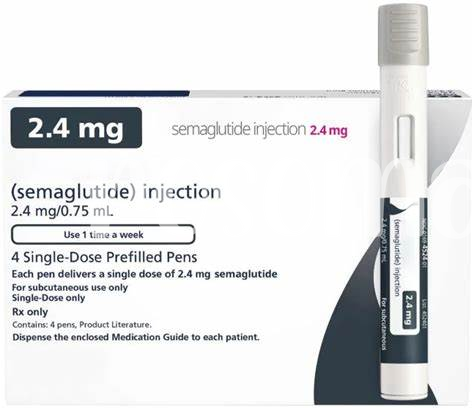
At dinner I learned to slice my portions like a chef trims excess—small, deliberate portions that leave me satisfied, not starving. Pairing protein-rich portions, fiber, and healthy fats stabilizes blood sugar and reduces cravings, especially while on semaglutide. Visual cues (smaller plates, measured scoops) make consistent servings effortless and mood-friendly.
Smart snacking fills nutrient gaps: a Greek yogurt cup, a handful of nuts, or veg sticks with hummus keep hunger at bay without derailing progress. Track portions briefly for two weeks to recalibrate intuitive eating, then relax into steady routines. These habits protect muscle, maintain energy, and make medication effects easier to sustain long term. Consult a clinician to personalize portions and ensure ongoing safety.
Monitoring Progress Safely with Labs and Adjustments
At the start of a semaglutide regimen, tracking progress feels like navigating with a map: numbers guide adjustments. Regular check-ins with your clinician turn subjective hunger and energy shifts into actionable data, helping tailor dose and dietary tweaks safely. Track weight weekly and mood.
Basic labs — A1c, liver enzymes, renal panel, and electrolytes — create a safety baseline and reveal metabolic responses. Timing matters: initial labs within weeks, then periodic monitoring lets providers spot trends and prevent complications.
When numbers change, small dietary shifts or dose adjustments can preserve momentum without abrupt disruption. Celebrate measurable wins, but rely on labs and clinician judgment to balance efficacy with safety for long-term success.
| Labs | Freq |
|---|---|
| A1c | 3mo |
| BMP | 6mo |
Sustainable Lifestyle Habits to Maintain Long Term Success
Adopting small rituals transforms early wins into lasting change. Begin with consistent daily movement—walking, resistance training, or yoga—that preserves muscle and boosts metabolic tone while semaglutide reduces appetite. Prioritize sleep and manage stress: poor rest or chronic cortisol spikes can blunt weight loss and increase cravings. Build routines around meals and hydration, and set achievable, measurable goals so progress feels tangible rather than punitive. Celebrate non-scale victories every week, consistently.
Partner with your clinician for medication reviews and bloodwork, adjusting dose or strategy as needed. Emphasize nutrient-dense meals that satisfy longer and plan snacks to avoid rebound hunger. Cultivate social accountability—share goals with friends or join a group—and develop flexible meal plans that accommodate life’s variability. Over months, focus on habits you can maintain without willpower alone: predictability, pleasure, and small, evidence-based tweaks. FDA announcement on semaglutide (Wegovy) NEJM trial on once-weekly semaglutide