


 The Role of Prograf in Organ Transplant Patient Care
Introduction to the Immunosuppressant Drug Prograf
Prograf, commonly known as tacrolimus, is a potent immunosuppressant drug used in the field of organ transplantation. It plays a crucial role in preventing the rejection of transplanted organs by suppressing the body's immune response. This medication is often prescribed to transplant recipients to help maintain the function of their new organ and ensure the success of the transplant surgery.
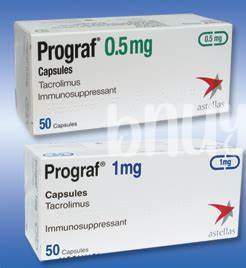
| Strengths | Formulation | Package Size |
|---|---|---|
| 0.5 mg | Capsules | 50 capsules |
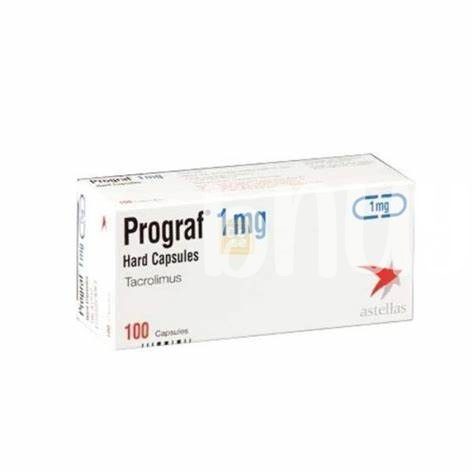
| 1 mg | Capsules | 100 capsules |
| 5 mg | Capsules | 30 capsules |
Mechanism of Action and Benefits for Transplant Recipients
Prograf works by inhibiting the body's immune response to prevent rejection of transplanted organs. This mechanism of action helps transplant recipients by allowing their bodies to accept the new organ without attacking it. In addition to its immunosuppressive properties, Prograf also aids in reducing inflammation associated with organ rejection. The benefits of Prograf in transplant patient care extend to improving the success rates of organ transplantation and enhancing the overall quality of life for recipients. Alternative options in transplant care are constantly being explored to further optimize patient outcomes and minimize the risks associated with long-term Prograf usage.
Dosage and Administration Guidelines for Prograf
Prograf is typically administered in two divided doses daily, either on an empty stomach or at least one hour before or two to three hours after a meal to ensure optimal absorption. The dosage is individualized based on the patient's weight, the transplanted organ, and other factors, and regular monitoring of blood levels is essential to adjust the dose as needed. It is crucial to strictly adhere to the prescribed dosing schedule and not to skip or double doses to maintain consistent drug levels in the body.
Patients should be educated on the importance of following the administration guidelines precisely to achieve the best outcomes and prevent rejection or toxicity. Pharmacists play a key role in counseling patients on proper administration techniques, monitoring for potential drug interactions, and addressing any concerns or side effects that may arise during treatment.
Potential Side Effects and Risks Associated with Prograf
Potential side effects and risks associated with Prograf can vary depending on the individual patient. Some common side effects may include tremors, diarrhea, headache, and high blood sugar levels. It is important for patients to be aware of these potential effects and communicate any concerns with their healthcare provider. In some cases, Prograf may also pose risks such as an increased susceptibility to infections or a higher chance of developing certain types of cancer. Regular monitoring and open communication with the medical team can help in managing these risks effectively.
Importance of Adherence to Prograf Treatment Regimen
Adherence to the prescribed medication regimen is crucial for organ transplant patients, including those taking Prograf. Consistently following the dosage instructions and schedule provided by healthcare providers is essential for the drug to effectively prevent organ rejection and ensure the success of the transplant. Missing doses or altering the treatment plan without medical guidance can significantly impact the patient's health and transplant outcome. It is important for patients to communicate any challenges or concerns they may have regarding their Prograf treatment with their healthcare team to address them promptly and ensure continued adherence.
| Prograf Adherence Tips: | Details: |
|---|---|
| 1. Set Reminders | Use alarms or phone alerts to remember dose times. |
| 2. Maintain a Medication Journal | Track doses taken and note any side effects experienced. |
| 3. Refill Medications Early | Ensure a continuous supply to avoid missing doses. |
Future Developments and Alternative Options in Transplant Care
As the field of transplant care continues to advance, researchers are exploring innovative approaches to enhance patient outcomes and minimize complications. One promising area of development is the exploration of novel immunosuppressive agents that may offer improved efficacy and safety profiles compared to traditional medications. Additionally, the concept of personalized medicine is gaining traction, with the potential to tailor treatment regimens to individual patients based on their unique genetic makeup and clinical characteristics.
For more information on the latest advancements in transplant care and immunosuppressive therapies like Prograf, visit this source. Another valuable resource to explore is this website, which provides in-depth insights into the usage and benefits of Prograf in organ transplant patient care.