


 Prednisolone Vs Prednisone: Differences and When to Choose
Prednisolone and Prednisone: Chemical and Activation Differences
Think of these drugs as two versions of the same story: one ready to act, the other needing a quick edit. Prednisone is a hepatic prodrug; the liver reduces an 11-oxo group to produce active prednisolone.
Chemically the difference is small but meaningful: prednisolone carries a hydroxyl at C11, prednisone an oxo group, altering binding and activation.
| Drug | Form |
|---|---|
| Prednisone | Prodrug |
| Prednisolone | Active |
Liver function guides the practical choice often.
How Each Drug Works Inside Your Body
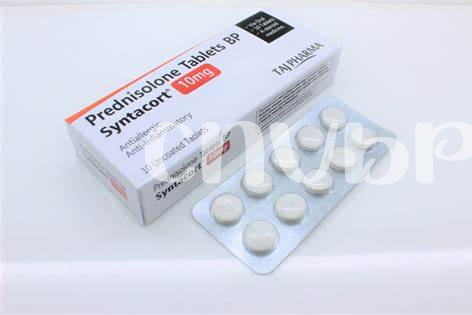
Imagine a storm easing inside the body as immune cells quiet down: that’s a simple way to picture how corticosteroids act. Prednisolone binds to glucocorticoid receptors in cells, changing gene activity to reduce inflammation, lower cytokine release, and stabilize blood vessel permeability.
Prednisone is an inactive prodrug converted in the liver to prednisolone, so effectiveness depends on hepatic function and first‑pass metabolism. Once activated, the molecules enter the nucleus and either upregulate anti‑inflammatory proteins or suppress pro‑inflammatory mediators, producing rapid symptom relief in allergic flares, asthma exacerbations, and autoimmune flares.
Duration and dose shape side effects: genes altered by prednisolone can change metabolism, immunity, and bone turnover — explaining weight gain, infection risk, and osteoporosis with long use. Clinicians balance potency, onset, and patient liver health when choosing between direct prednisolone therapy or oral prednisone that relies on conversion decisions.
Comparing Effectiveness Across Common Conditions Treated
Clinicians weigh drug choice by condition severity and speed of action; prednisolone often wins where rapid antiinflammatory effect is needed.
For asthma exacerbations and COPD flares, both drugs reduce inflammation quickly, but bioactivation differences can influence onset and potency.
In autoimmune disorders like rheumatoid arthritis or giant cell arteritis, steroid choice targets long term control; clinical trials show comparable outcomes with dose adjustments.
Side effect profiles and patient factors often determine preference, so tailoring therapy—sometimes preferring prednisolone for liver impairment—improves safety and efficacy. Monitoring guides duration and tapering decisions carefully.
Side Effects, Risks, and Long-term Concerns
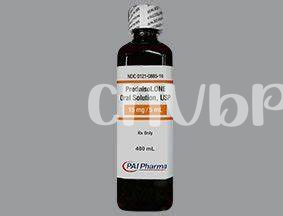
A sudden diagnosis often ushers in questions about safety. Patients remember stories of weight gain, insomnia, or mood swings. Clinicians weigh benefit against potential harms, explaining mechanisms and short-term risks before prescribing prednisolone or alternatives.
Short courses often cause mild, reversible effects like elevated blood sugar, increased appetite, and insomnia; longer or higher-dose treatment risks osteoporosis, adrenal suppression, and infection susceptibility, so monitoring and dose adjustment are routine in care.
People with diabetes, hypertension, or active infections need careful assessment because prednisolone can worsen glucose control, elevate blood pressure, and mask infection signs. Vaccination timing and bone protection strategies may be needed during long-term therapy.
Stopping abruptly risks adrenal insufficiency after extended courses, so gradual tapering under supervision is common. Shared decision-making, clear instructions about warning signs, and regular follow-up help balance benefits with the potential harms for individual patients.
Special Populations: Children, Elderly, and Pregnant
Clinicians tailor steroid choice by age and physiology; children often need liquid or weight-based dosing and careful growth monitoring when taking prednisolone.
Elderly patients may accumulate side effects due to slower metabolism and comorbidities; start low, monitor blood pressure, glucose, bone density, and watch for falls or confusion.
Pregnant people require risk–benefit discussions; use the minimal effective dose and coordinate with obstetrics.
| Group | Key concern |
|---|---|
| Children | Growth, dosing |
| Elderly | Comorbidities, falls |
| Pregnancy | Fetal exposure |
Decisions balance efficacy and safety: weigh infection risk, bone health and blood sugar effects, and personalize follow-up closely. Communication between primary care, specialists, and family input ensures dosing matches goals while minimizing harm and allowing timely tapering when clinical improvement permits.
Clinical Decision Factors: Choosing the Right Steroid
When faced with a patient in clinic, clinicians balance urgency, comorbidities and practicality. For severe inflammation or impaired hepatic function, activated prednisolone may be preferred because it acts without metabolic conversion; prednisone is often chosen for convenience and widespread availability. Dose, route (oral versus injectable), onset required, and previous steroid responses guide selection, while minimizing cumulative exposure remains a central aim. Patient preference and access also matter greatly clinically too.
Clinicians also weigh monitoring needs and safety: diabetes, hypertension, osteoporosis risk, infection susceptibility and drug interactions may steer choice or dose. Short courses favor simpler regimens; chronic therapy demands bone protection, periodic labs and a clear taper plan. In complex cases, consultation with a specialist and discussion with the patient about goals, side effects and monitoring creates a safer, personalized plan. Documentation and follow-up are essential every visit. MedlinePlus PubChem