


 When Not to Use Imodium: Red Flags
Bloody Stools or High Fever Require Immediate Evaluation
A sudden alarming change in stool or fever can make anyone stop in their tracks; recall the last time your body felt truly off. These signs often signal more than routine stomach upset. Trust your instincts.
Immediate medical assessment is crucial because some infections or internal bleeding require prompt treatment. Self-medicating may mask symptoms and delay life-saving care.
If you notice such red flags, seek urgent evaluation and avoid antidiarrheals until a clinician rules out serious causes. Keep a clear record of timing, temperature, and stool details to aid diagnosis.
| Condition | Recommended action |
|---|---|
| Visible blood in stool | Seek urgent medical evaluation |
| Very high temperature | Go to emergency care |
Suspected C. Difficile or Infectious Diarrhea Avoid Loperamide
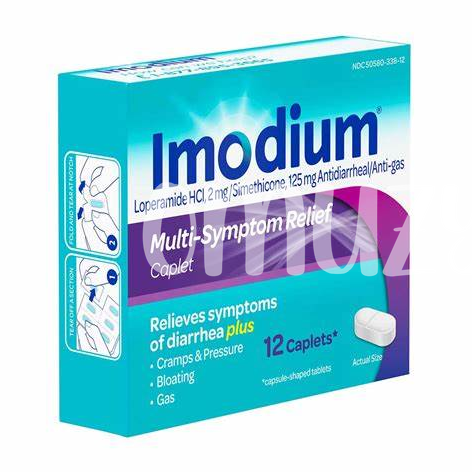
When diarrhea follows recent antibiotics, hospital stays, or severe systemic symptoms, treat it as potentially dangerous. Using over-the-counter anti-motility pills can trap bacteria and toxins in the gut, allowing infection to worsen instead of clear. That risk is especially high with certain hospital-associated pathogens.
Specifically, infections like C. difficile can progress to toxic megacolon or sepsis if bowel movements are slowed. Imodium and similar agents may mask severity and delay proper testing and targeted antibiotics. If you have fever, blood in stool, or worsening pain, stop symptomatic drugs and seek urgent evaluation.
Clinicians can perform stool assays, start appropriate antimicrobials, and monitor for complications; do not self-medicate when risk factors exist. When in doubt, call your healthcare provider or go to an emergency department—early diagnosis and proper treatment reduce complications far more than easing temporary discomfort and avoid lasting damage.
Children, Infants, and Young Toddlers Need Caution
A frantic parent once handed me a trembling toddler and asked whether imodium was safe to stop watery stools. Parents often feel pressure to act quickly.
For infants and very young children, over-the-counter antidiarrheals can mask serious illness and alter hydration status quickly. Dehydration develops fast and may require medical fluids.
Pediatric dosing differs from adults, and consultation with a clinician or poison control center is vital before giving any medication. Age, weight, and underlying conditions change risk-benefit balance.
Focus on fluids, electrolyte replacement, and watching for warning signs—fever, persistent vomiting, lethargy—rather than reflexively reaching for medication. If symptoms persist more than twenty-four hours seek care. Never give adult doses to small children ever again.
Severe Abdominal Pain or Bowel Obstruction Signs Present
When intense, persistent abdominal pain accompanies diarrhea, treat the situation like a red flag. A story: a traveler tried imodium to keep going until pain worsened and vomit followed, signaling more than routine upset. Immediate evaluation can prevent complications that simple antidiarrheals won't fix.
Signs like severe bloating, inability to pass gas, or distension suggest obstruction. Using loperamide or similar agents may worsen blockage and mask symptoms, delaying surgical care. Clinicians rely on imaging and exam findings; do not substitute pills for professional assessment.
If pain is escalating, fever rises, vomiting continues, or bowels stop moving, go to the emergency department promptly. Bring a medication list and note timing of symptoms. Providers will decide imaging, labs, or surgical consultation; meanwhile avoid taking anti-motility drugs at home. Early recognition preserves bowel health and reduces risk of emergency surgery. Seek care urgently.
Pregnancy, Breastfeeding, or Liver Disease Requires Doctor
A sudden decision to take imodium can feel like a quick fix, but imagine standing between two doors: one labeled recovery, the other complications. If you are expectant, nursing, or have compromised liver function, that hallway gets narrower and choices matter more.
Talk to your clinician before using anti-diarrheal medicine; they can weigh risks, adjust doses, or suggest safer alternatives. Don’t self-prescribe when metabolism or fetal safety may be affected—medical guidance prevents unnecessary harm and ensures treatment fits your unique situation. Ask about monitoring and follow-up plans for safety reasons.
| When to consult | Reason |
|---|---|
| Expectant or nursing | Potential effects on fetus/infant |
| Known liver impairment | Altered drug metabolism |
| Severe symptoms | Need for targeted care |
Concurrent Heart Medications or High-dose Risks Increase Harm
If you take cardiac drugs, a simple antidiarrheal can become dangerous; drug interactions may amplify unexpected effects on heart rhythm and conduction.
High loperamide doses have been linked to QT prolongation and arrhythmias; combining with other QT‑prolonging agents raises a very serious risk indeed.
Some cardiac drugs inhibit P‑glycoprotein or CYP enzymes, increasing blood levels of loperamide and magnifying toxic cardiac and CNS effects in some patients.
Always tell your clinician about heart medicines before using loperamide; professional guidance prevents dangerous combinations and avoids high-dose misuse that could be fatal. FDA: Loperamide safety communication NCBI: Loperamide — the other opioid of abuse?