


 Topical Vs Oral Diclofenac: Which Is Better?
How Diclofenac Works: Topical Versus Oral
When you rub on a gel, diclofenac stays largely near the site of pain, penetrating skin and inflamed tissues to block cyclooxygenase enzymes and reduce prostaglandin production locally. Oral tablets are absorbed into the bloodstream, distributing drug broadly so it inhibits COX in multiple tissues and can affect central pain pathways as well.
Topical application achieves higher concentrations in underlying tissues with much lower plasma levels, offering targeted relief with minimal systemic exposure. Oral dosing produces predictable systemic concentrations that can control widespread pain but expose the stomach, liver, kidneys, and cardiovascular system to higher drug loads.
These pharmacologic contrasts often guide clinicians: topical for localized musculoskeletal pain; oral for widespread pain or severe symptoms.
| Route | Primary Action |
|---|---|
| Topical | Local COX inhibition |
| Oral | Systemic COX inhibition |
Comparing Effectiveness for Different Pain Types
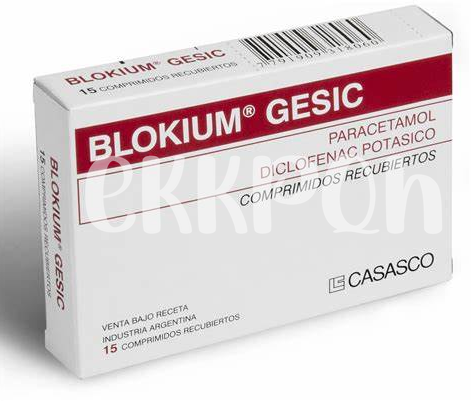
For localized musculoskeletal pain—sprains, tendonitis, or mild osteoarthritis—topical diclofenac often shines, delivering targeted relief with minimal systemic exposure. Imagine rubbing a cooling gel into a sore knee: the drug concentrates at the inflamed site, reducing pain and stiffness. For deeper or widespread conditions, though, topical reach can be limited. Oral therapy is preferable in cases.
For acute postoperative pain or generalized inflammatory diseases, oral diclofenac delivers higher blood levels that better control systemic inflammation and multi-site pain. However, neuropathic pain responds poorly to NSAIDs, so alternative agents are needed. Ultimately, matching formulation to pain depth, extent, and patient risk factors maximizes benefit while minimizing unnecessary exposure. Ask clinicians for tailored advice and regular monitoring plans.
Onset Speed and Duration: Which Acts Faster
A sprain on a weekend run taught me the practical difference between creams and pills: topical diclofenac often begins relieving pain within an hour as it soaks into nearby tissues, while oral tablets require digestion and systemic absorption before reaching target sites.
Onset speed favors topical forms for localized acute pain, but duration can vary: gels may deliver hours of relief at the applied site, whereas oral diclofenac distributes body-wide and can provide longer systemic anti-inflammatory effects, especially with sustained-release formulations.
Choice depends on whether quick, local relief or sustained, whole-body action is needed; discuss options with a clinician to balance rapid onset, duration, and potential side effects for your situation and individual lifestyle factors.
Side Effects Profile: Systemic Versus Local Risks
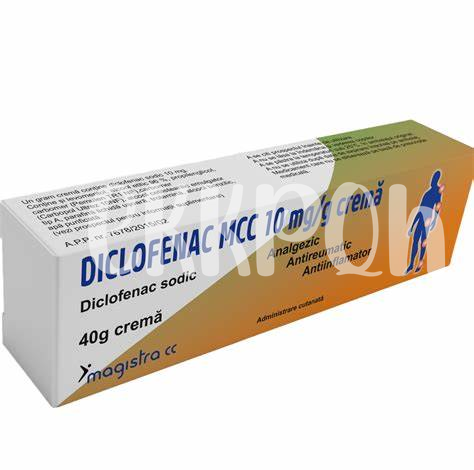
When people reach for diclofenac they often imagine quick relief, but delivery method changes risk. Oral forms circulate widely and expose the stomach, kidneys and cardiovascular system, while topical applications concentrate the drug at the painful site.
Oral diclofenac increases systemic risks such as gastrointestinal irritation, ulcers or bleeding, reduced kidney function and a small heightened risk of heart attack or stroke with long term use. Clinicians often require monitoring and consider medical history before prescribing.
Topical products lower systemic absorption and therefore reduce those broader risks, but can cause local effects including skin irritation, contact dermatitis or photosensitivity. Effectiveness for deep or widespread pain may be limited, so patient risk factors guide the choice.
Practical Considerations: Dosing, Cost, and Convenience
Choosing the right form of diclofenac often starts with dosing: topical gels are applied two to four times daily to the affected area, delivering lower systemic exposure, while oral tablets use fixed daily doses that require monitoring to limit side effects.
Cost and access matter: generics and over the counter preparations can be cheaper for short courses, but prescriptions may be covered by insurance. Consider pharmacy prices, brand premiums, and the expense of treating adverse effects when comparing total cost.
Convenience and adherence often decide choice: creams require site application but avoid swallowing pills and some systemic monitoring.
| Item | Notes |
|---|---|
| Dose | Topical: apply 2x daily locally |
| Cost | Oral: lower unit price, monitoring needed; check insurance |
Choosing Wisely: Patient Factors Guiding Treatment Choice
Think about risks and priorities: a person with knee osteoarthritis and sensitive stomach may choose topical diclofenac to focus relief and reduce systemic exposure, whereas someone with widespread inflammatory pain or poor topical absorption may need oral treatment. Discuss allergies, cardiovascular risk, and concurrent medications with a clinician.
Age, renal or hepatic impairment, pregnancy and cost influence choice; topical may suit older adults, while oral is sometimes less costly and easier for multi-site pain. Discuss options with a prescriber to balance effectiveness and safety. NHS: diclofenac guidance EMA: diclofenac review