


 Clomid and Pcos: Navigating Unique Challenges
Understanding Pcos: a Quick Overview
PCOS, or Polycystic Ovary Syndrome, is a complex hormonal disorder prevalent among women of reproductive age. It involves a concoction of symptoms like irregular periods, weight gain, and excess androgen levels, sometimes leading to complications like infertility. Imagine navigating a maze where the path is cluttered with hormonal fluctuations and metabolic challenges. The condition's hallmark is multiple small cysts on the ovaries, mirroring a "bubble pack" of complexities that require careful clinical management.
### PCOS Symptoms and Characteristics
| Symptom | Characteristic Description | |------------------|---------------------------------------------| | Irregular periods| Menstrual cycles longer than usual | | Acne and hair growth| Excess androgen causing skin and hair issues| | Weight challenges| Difficulty in managing weight and insulin levels|
Navigating these challenges often involves teamwork between healthcare providers and patients, much like a PBM managing diverse medications. Understanding these nuances can empower women to craft an informed journey through this hormonal landscape.
How Clomid Helps in Ovulation Stimulation
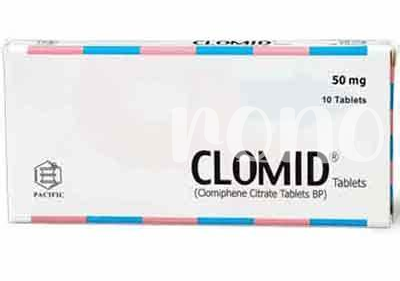
In the complex realm of fertility treatments, Clomid emerges as a beacon of hope for many women battling Polycystic Ovary Syndrome (PCOS). This little wonder tablet works its magic by instructing the brain to supercharge the production of hormones pivotal for ovulation. Essentially, Clomid tricks your body into thinking that estrogen levels are lower than they actually are, prompting the pituitary gland to release more follicle-stimulating hormone (FSH) and luteinizing hormone (LH). This hormonal cocktail stimulates the ovaries to produce mature eggs ready for fertilization. For those feeling the pill burden of multiple fertility meds, Clomid often stands out due to its simplicity and effectiveness. It's the foundation of many fertility scripts and can sometimes deliver results stat, turning dreams of parenthood into reality.
Eligibility and Initial Considerations for Clomid
When considering Clomid as a treatment, eligibility often revolves around precise factors. Women with polycystic ovary syndrome (PCOS) who have irregular ovulation may find themselves strong candidates, as Clomid is known for aiding in this crucial reproductive step. Before a script is filled at the drive-thru, a thorough evaluation by a healthcare provider is essential. This initial assessment includes reviewing medical history, ruling out other fertility issues, and performing a med rec to avoid any complications from existing prescriptions.
Common Side Effects and Management Strategies
As you embark on the journey with Clomid, understanding the potential hangovers from its usage is crucial. Some may experience emotional highs and lows akin to an intense cocktail of mood swings, while others face physical hangovers such as headaches or hot flashes. Navigating these side effects effectively requires a script of strategies, akin to following precise sig instructions. For instance, maintaining a diary helps track patterns and identify triggers that can be proactively managed. Furthermore, lifestyle adjustments like incorporating gentle exercise or practicing stress-reduction techniques can mitigate discomfort. Consulting with a healthcare professional ensures any compounding issues are addressed, smoothing the path to a more comfortable treatment experience.
Success Rates and Expectations with Clomid
When embarking on the journey with Clomid, many women hold expectations that sparkle with optimism, guided by their doctor's sig. It's important to understand the realistic outcomes of using this medication for PCOS. Success rates can vary widely, typically hovering around 70-80% for ovulating induction. However, these figures can be as elusive as a ghost tablet, dependent on various factors such as age and underlying health conditions. Patients should prepare for possible multiple cycles before achieving the desired outcome. It's crucial to have a candid conversation with a healthcare provider about what realistic success looks like in this context.
| Aspect | Expectation |
|---|---|
| Ovulation Rate | 70-80% |
| Pregnancy Chance | 15-20% per cycle |
Engaging in this treatment can be a comp of emotions — hope intermingled with anxiety. Each cycle brings new anticipation, and for some, those feelings are resolved quickly (stat), while others may need to continue. Managing expectations is crucial, transforming the journey from a race against time to a measured, hopeful stride. By understanding both the potential and the limitations, individuals can navigate this path more effectively, allowing Clomid to be a valuable tool rather than a source of frustration.
Alternative Treatments and Complementary Therapies
Navigating the world of PCOS can sometimes feel like sifting through a myriad of options beyond conventional medication scripts. Beyond Clomid, women may consider lifestyle modifications as foundational therapies. Regular exercise and dietary changes can markedly improve insulin sensitivity and regulate hormonal balance, acting as a natural elixir for some. Additionally, supplements like inositol and vitamin D have shown promise in supporting ovulatory function.
Acupuncture, a practice rooted in ancient Chinese medicine, provides another complementary avenue. It’s believed to enhance reproductive health by reducing stress and improving blood flow to the ovaries. While some find these alternative paths beneficial, it's crucial to pair them with a proper Meds Check and a consult with a trusted practitioner to personalize treatment. Opting for such therapies can require a patient approach and openness to trying new strategies.