


 Cleocin Vs. Other Antibiotics: a Comparative Analysis
Understanding Cleocin: What Makes It Unique?
Cleocin, known generically as clindamycin, is a potent lincomycin-derived antibiotic. Its unique ability to inhibit bacterial protein synthesis sets it apart, particularly against anaerobic bacteria and some protozoa. Unlike its beta-lactam counterparts, Cleocin's mechanism doesn’t involve cell-wall synthesis inhibition, allowing it to bypass penicillin resistance. This specificity makes it a critical choice in treating infections that are resistant to more common antibiotics.
| Feature | Cleocin | Other Antibiotics |
|---|---|---|
| Mechanism of Action | Inhibits protein synthesis | Varies (e.g., cell wall synthesis) |
| Resistance Potential | Bypasses beta-lactam resistance | Higher in penicillins & cephalosporins |
| Target Organisms | Anaerobic bacteria | Aerobic bacteria |
Common Uses and Applications of Cleocin
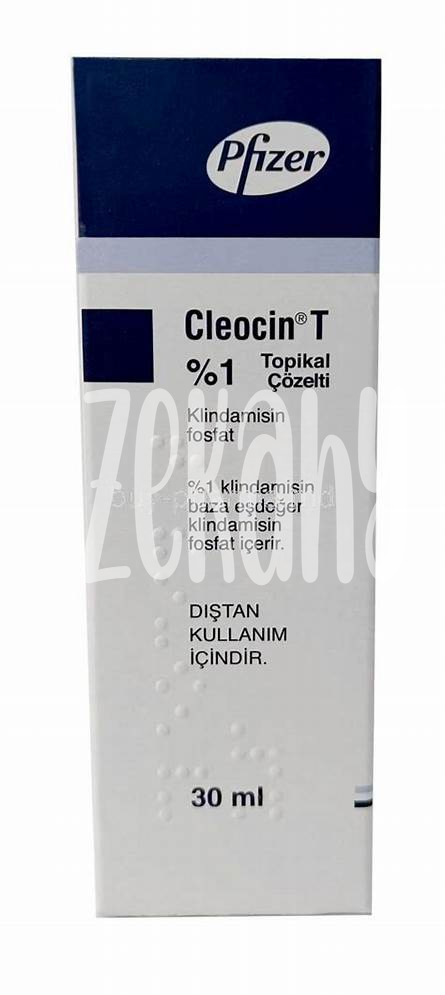
Cleocin, also known as clindamycin, is frequently employed in the treatment of serious bacterial infections, particularly those caused by anaerobic bacteria. These bacteria thrive in environments lacking oxygen, such as deep tissue infections or abscesses. Cleocin is especially valued in cases where patients are allergic to penicillin, providing an alternative path to effective treatment. It has demonstrated efficacy in treating staph infections, including those resistant to methicillin, and is often prescribed for skin and soft tissue infections, dental infections, and pelvic inflammatory disease. Additionally, Cleocin is sometimes used off-label to tackle conditions like acne, showcasing its adaptable application in medical practice.
Comparing Efficacy: Cleocin Vs. Penicillin-based Antibiotics
Cleocin, known scientifically as clindamycin, stands out in the antibiotic arena due to its effectiveness against anaerobic bacteria and certain protozoal infections. While penicillin-based antibiotics have long been used as a primary treatment for a variety of bacterial infections, their efficacy is often diminished in cases involving beta-lactamase-producing organisms. In these scenarios, cleocin offers a viable alternative, targeting pathogens that penicillins may struggle to combat due to resistance.
Moreover, cleocin’s unique mechanism of action allows it to inhibit bacterial protein synthesis, effectively halting the growth of susceptible organisms. This distinctive approach differs from penicillins, which typically act on bacterial cell walls. Although both have their place in medical treatment, cleocin may provide an essential advantage in treating infections where penicillin resistance is a concern.
Side Effects: What to Expect with Cleocin
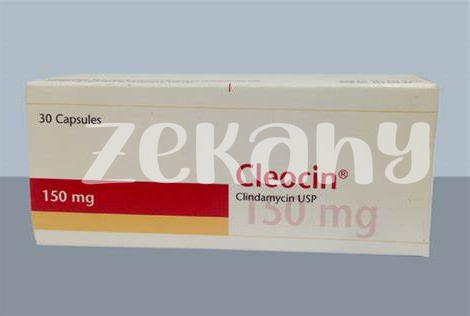
When using Cleocin, patients might encounter certain side effects, commonly ranging from mild to moderate but occasionally severe. Frequent complaints include nausea, diarrhea, and abdominal pain. More serious reactions, though less common, can involve colitis, characterized by persistent diarrhea, which requires immediate medical attention. Allergic reactions, while rare, may present as skin rashes or swelling, necessitating prompt evaluation.
Given Cleocin's mechanism of altering gut flora, it's crucial to remain vigilant for signs of diarrhea. Discontinuation of Cleocin should be considered if severe gastrointestinal symptoms develop. Amidst treatment, staying informed about possible side effects enables proactive management, ensuring that therapeutic benefits outweigh potential risks.
Cost and Accessibility: Cleocin Versus Alternatives
In evaluating the affordability and accessibility of Cleocin versus its antibiotic counterparts, it’s essential to consider both financial and logistical aspects. Cleocin, primarily prescribed for specific bacterial infections, can sometimes carry a higher price tag compared to more widely used antibiotics. However, the cost is often mitigated by its targeted efficacy, potentially reducing the need for prolonged treatment durations. Accessibility-wise, Cleocin is typically readily available in most pharmacies, although insurance coverage can vary.
| Medication | Average Cost | Insurance Coverage | Availability |
|---|---|---|---|
| Cleocin | Moderate to High | Variable | Widely Available |
| Penicillin | Low | Generally High | Widely Available |
Ultimately, while Cleocin may initially appear less cost-effective, its use can result in effective treatment outcomes, potentially saving further costs associated with prolonged or incomplete treatments seen with alternatives.
Evidence-based Outcomes: Clinical Studies on Cleocin Use
Recent clinical studies have illuminated Cleocin's efficacy across diverse bacterial infections, underscoring its significant role in treating anaerobic bacteria. One pivotal study published in the Journal of Antimicrobial Chemotherapy revealed a high success rate in bacterial clearance when Cleocin was used, particularly in cases resistant to alternative treatments. Another comparative study assessed its performance against various antibiotics in managing skin and soft tissue infections, concluding that Cleocin often yields faster recovery times with fewer complications.
These outcomes highlight Cleocin's adaptability and precision against stubborn bacterial strains, reinforcing its place as a reliable choice in antibiotic therapy. Read more here Detailed study available here