


 **the Science Behind Symbicort’s Active Ingredients**
Understanding Symbicort: a Revolutionary Asthma Treatment
Symbicort stands out in the realm of asthma treatments, offering a dual-action formula that targets both inflammation and bronchoconstriction. Designed for individuals struggling with chronic asthma, Symbicort combines effective medication with ease of use, empowering patients to manage their symptoms efficiently.
This innovative treatment not only helps reduce the frequency of asthma attacks but also enhances the quality of life for countless users. By providing rapid relief alongside long-term control, Symbicort has revolutionized how many approach their respiratory health.
The integration of advanced therapeutic agents marks a significant leap forward, allowing patients to breathe easier while reducing the dependency on rescue inhalers. This powerful combination positions Symbicort as a key player in asthma management.
| Feature | Benefit |
|---|---|
| Dual-action medication | Treats both inflammation and bronchoconstriction |
| Ease of use | Empowers patients in managing their symptoms |
| Improved quality of life | Reduces the frequency of asthma attacks |
The Power of Budesonide: the Steroid Explained
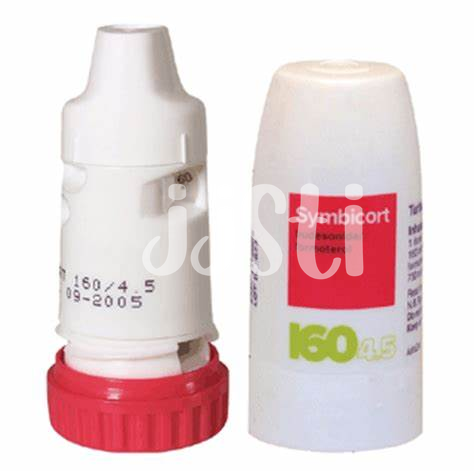
Budesonide, a crucial component in Symbicort, belongs to a class of medications known as corticosteroids. Its primary function is to reduce inflammation in the airways, which is a common issue in asthma sufferers. By targeting the underlying causes of asthma, budesonide helps to alleviate symptoms such as wheezing and shortness of breath, providing patients with a clearer path to easier breathing.
This steroid exerts its effects by suppressing the immune response, which is often overactive in those with asthma. This response can lead to chronic inflammation and airway obstruction. By moderating this reaction, budesonide not only contributes to immediate relief but also enhances long-term control over asthma symptoms, making it an invaluable asset in the Symbicort combination therapy.
Furthermore, the effectiveness of budesonide is well-documented, with studies showing significant reductions in the frequency and severity of asthma attacks. Its ability to be inhaled allows direct delivery to the lungs, optimizing its therapeutic potential. This combination of effectiveness and targeted action places budesonide at the forefront of asthma management, ensuring patients can lead a more active and fulfilling life.
Formoterol's Role: a Fast-acting Bronchodilator
In the world of asthma management, speed is crucial, and that’s where one ingredient in Symbicort shines. Formoterol is a long-acting beta-agonist that stands out due to its rapid onset of action, providing relief within minutes. Whether triggered by exercise, allergens, or irritants, individuals often need immediate assistance to open their airways. This ingredient acts swiftly, enabling patients to resume daily activities with less interruption, thus enhancing their quality of life.
The strategic synergy between budesonide and formoterol in Symbicort is vital. While budesonide reduces inflammation, formoterol works to relax the muscles around the airways. This dual-action approach not only targets the underlying issues of asthma but also ensures that immediate symptoms are addressed. By effectively opening the air passages, patients experience relief from wheezing and shortness of breath, allowing for more abundant breathing.
Understanding how formoterol functions within Symbicort underscores its importance in comprehensive asthma treatment. Patients benefit from this rapid response, which is essential for emergency situations. Ultimately, the presence of this fast-acting bronchodilator in Symbicort empowers individuals with asthma to exert more control over their condition, reinforcing the necessity for accessible and effective treatment options.
How Ingredients Work Together for Optimal Relief
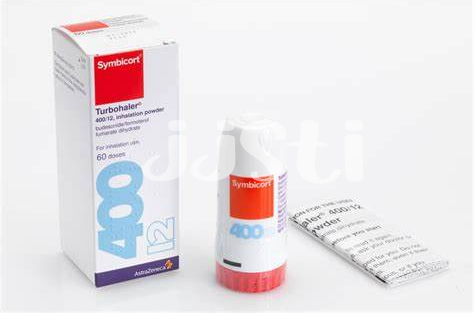
Symbicort combines two potent active ingredients, each designed to target different aspects of asthma relief. Budesonide, a corticosteroid, reduces inflammation in the airways, making it easier for patients to breathe. On the other hand, formoterol acts quickly to relax the muscles surrounding the airways, offering immediate relief from acute symptoms. Together, these ingredients tackle the root causes of asthma and provide symptomatic relief, creating a powerful synergy that enhances overall effectiveness.
When used in tandem, these medications not only address inflammation but also open up constricted airways, allowing for improved airflow. This dual-action is crucial for those experiencing frequent symptoms, as it helps achieve better control and reduces the risk of asthma attacks. Patients often report a noticeable difference in their ability to manage daily activities when using Symbicort, highlighting its importance in a comprehensive asthma management plan.
Moreover, the combined delivery of these active ingredients through a single inhaler simplifies treatment regimens for patients. This convenience helps improve adherence to prescribed therapies, which is essential for effectively managing chronic conditions like asthma. With regular use, patients can experience sustained lung function and less interference with their daily lives.
In essence, the collaboration between budesonide and formoterol not only maximizes their individual benefits but also fosters a more comprehensive approach to asthma management. By reducing inflammation and ensuring quick relief from bronchoconstriction, Symbicort exemplifies the importance of teamwork among medicinal components in delivering optimal therapeutic outcomes for asthma sufferers.
The Mechanism of Action: Unlocking Their Potential
The synergy between the two active ingredients in Symbicort is essential for alleviating asthma symptoms. Budesonide, a corticosteroid, works by significantly reducing inflammation in the airways, providing long-term control of chronic symptoms. In turn, Formoterol acts as a fast-acting bronchodilator, relaxing the muscles around the airways for immediate relief during an asthma attack. Together, they create a powerful combination that not only eases breathing but also promotes healthier lung function over time.
As Budesonide decreases airway swelling, it allows for more effective airflow, while Formoterol ensures that patients can access this improved airflow rapidly. This dual-action approach enables individuals to manage their asthma more effectively, making Symbicort a cornerstone in contemporary asthma therapy. Understanding the interaction between these components unlocks the true potential of symptom control and improved quality of life.
The effectiveness of Symbicort’s combination lies in its ability to target multiple facets of asthma pathophysiology. By addressing both the inflammation and constriction of the airways simultaneously, patients experience a comprehensive relief strategy. The table below illustrates the mechanism of action for both active ingredients:
| Ingredient | Mechanism of Action | Effects |
|---|---|---|
| Budesonide | Reduces inflammation | Long-term control of symptoms |
| Formoterol | Relaxes airway muscles | Quick relief during attacks |
Safety and Side Effects: What Patients Must Know
When considering the use of Symbicort, understanding potential safety concerns is crucial for patients. While this medication offers significant relief for asthma and COPD, like all drugs, it comes with its own set of risks. Patients should be aware that both active ingredients—budesonide and formoterol—can lead to side effects, though not everyone will experience them.
Common side effects may include throat irritation, cough, or headache, often stemming from the inhalation process. It is essential for individuals to monitor their responses to the medication closely. In rare cases, more severe reactions can occur, such as an increased heart rate or allergic responses, emphasizing the importance of thorough discussions with healthcare providers.
For those with certain pre-existing conditions, potential risks may amplify. Individuals with heart issues, diabetes, or weakened immune systems should inform their physician before starting Symbicort to tailor their treatment effectively. Always consult a healthcare professional before making adjustments to your medication regime.
In the journey towards managing respiratory conditions, staying informed empowers patients. By understanding the nuances of Symbicort's safety profile and potential side effects, users can engage in more productive conversations with their healthcare providers, ensuring they maximize the benefits while minimizing risks.